Charting Time Zone Variations and Their Influence on Peak Transaction Patterns Across Worldwide Online Gaming Networks
Xander Hartmann · Jun 30, 2026
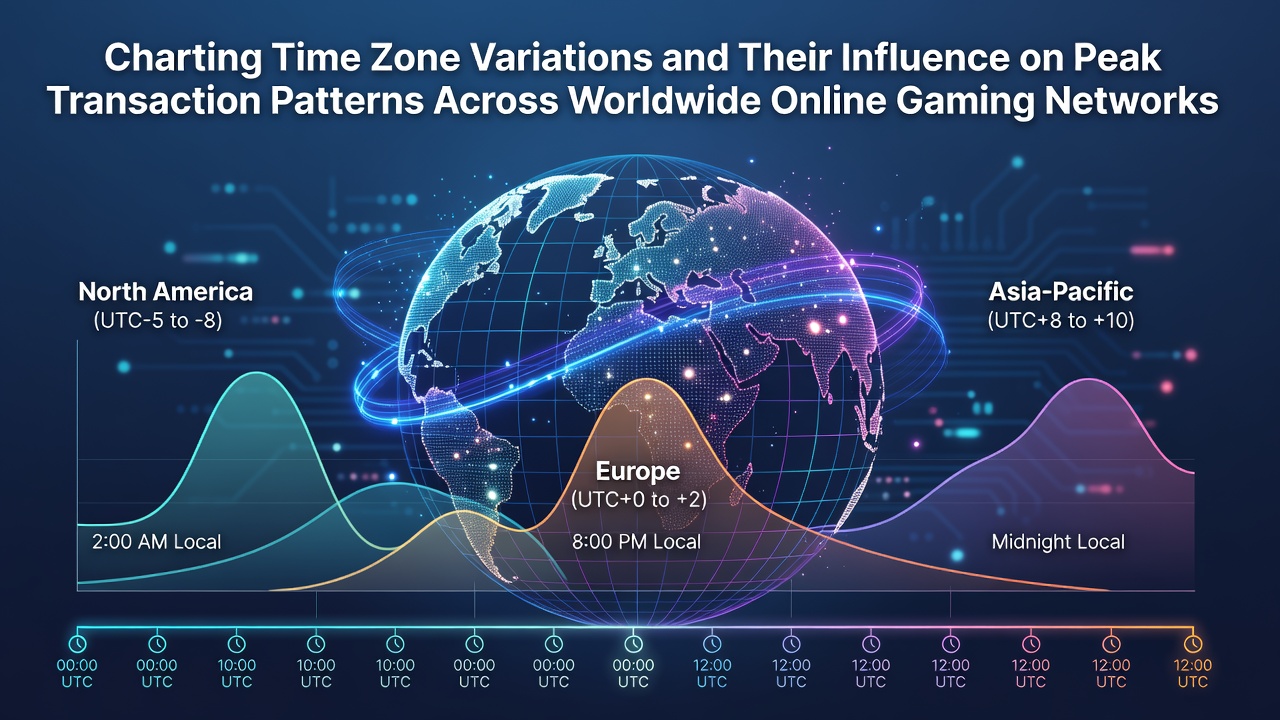
Charting Time Zone Variations and Their Influence on Peak Transaction Patterns Across Worldwide Online Gaming Networks
Time zone differences shape transaction activity across online gaming networks in measurable ways, with peaks aligning closely to local evening and nighttime hours in each region while global platforms experience staggered surges that create near-continuous volume. Researchers tracking UTC offsets have documented how players in Asia, Europe, and the Americas initiate deposits and withdrawals at distinct intervals, producing layered patterns rather than single synchronized spikes.
Regional Time Zone Alignment with Activity Cycles
Operators monitoring server logs report that East Asian markets often reach transaction highs between 19:00 and 23:00 local time, corresponding to after-work leisure periods, whereas European sessions cluster around 20:00 to 01:00 CET as players complete daily routines. North American activity tends to accelerate after 18:00 EST, creating an offset that allows platforms to sustain elevated throughput when one region winds down and another ramps up. These shifts appear in aggregated data sets compiled by multiple network providers, where hourly volume metrics reveal consistent offsets tied directly to standard time zone boundaries rather than arbitrary scheduling.
Adjustments for daylight saving changes introduce additional variables, as jurisdictions that observe seasonal clock shifts experience temporary realignments in peak windows. Network analysts note that March and November transitions in North America and Europe produce measurable dips or extensions in transaction frequency lasting several days until user habits stabilize around the new offsets. Meanwhile, regions operating on permanent standard time, such as parts of Southeast Asia and Australia, maintain steadier patterns year-round, allowing operators to forecast load distribution with greater precision during those intervals.
Data Patterns from Multi-Continent Networks
Transaction logs from worldwide platforms show that deposit volumes frequently rise 30 to 40 percent above daily averages during the identified local evening windows, with withdrawal requests following similar but slightly delayed curves as players cash out winnings. Cross-referencing these figures with UTC timestamps demonstrates that the highest aggregate activity occurs when Asian and European peaks overlap in the early UTC morning hours, producing combined throughput that can exceed single-region maxima by substantial margins. Observers tracking these flows note that payment processor response times remain stable during these overlaps because infrastructure is distributed across multiple data centers synchronized to handle concurrent regional loads.
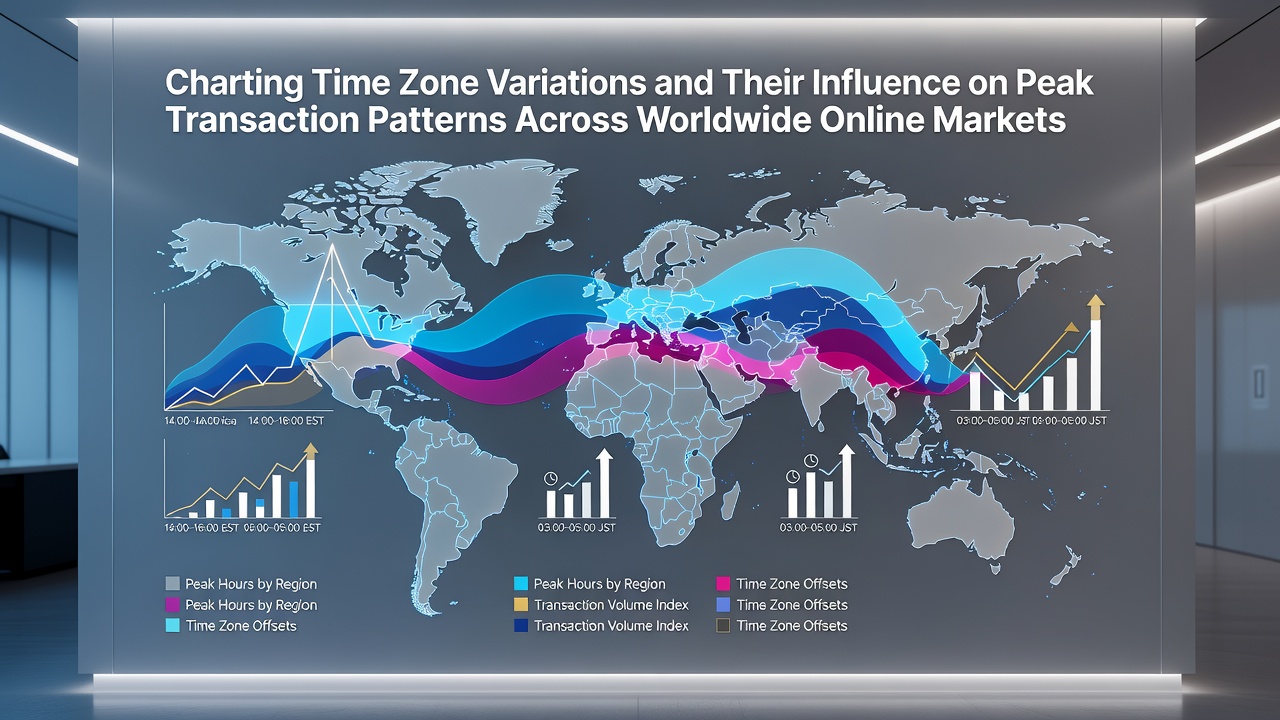
Studies conducted by academic groups at institutions focused on digital economics have mapped these cycles using anonymized data from licensed operators, confirming that time zone position exerts stronger influence on timing than game type or promotional calendars in most cases. One analysis covering twelve months of records found that currency conversion events tied to local banking hours further modulate activity, as players in regions with limited overnight banking services tend to complete deposits before midnight local time. This creates secondary micro-peaks immediately preceding the main evening surges.
June 2026 Observations and Network Adjustments
In June 2026, several major platforms reported that transaction patterns remained consistent with established time zone models despite ongoing regulatory reviews in multiple jurisdictions, with no significant deviation from historical evening peaks across tracked regions. Network engineers used these stable patterns to fine-tune load-balancing algorithms that redistribute processing capacity toward whichever geographic cluster showed the strongest incoming volume at any given UTC hour. The Nevada Gaming Control Board published quarterly summaries around the same period that included aggregated timing data from licensed interactive operations, illustrating how offset patterns persisted through the month.
Additional monitoring by the Australian Communications and Media Authority captured similar alignments in the Southern Hemisphere, where local peaks occurred during comparable evening blocks and contributed to global overlap windows when combined with Asian activity. These synchronized observations allowed operators to maintain consistent approval speeds even as overall volume increased, since the staggered nature of regional contributions prevented single-point overloads.
Implications for Infrastructure and Compliance
Payment gateways integrated with gaming platforms adjust settlement queues according to anticipated regional peaks, processing higher volumes during documented evening blocks while maintaining reserve capacity for overlap periods. Compliance teams review these timing distributions when auditing anti-money laundering controls, noting that transaction clustering within specific time zones can assist in identifying unusual patterns that deviate from established regional norms. Data from these reviews indicate that legitimate activity remains concentrated in predictable windows, enabling automated systems to flag outliers more efficiently.
Conclusion
Time zone variations continue to drive distinct yet interconnected transaction peaks across global online gaming networks, with regional evening hours producing reliable surges that overlap to create sustained platform activity. Records compiled through mid-2026 confirm these patterns persist across multiple continents, supported by infrastructure designed to accommodate staggered loads and regulatory summaries that track timing distributions alongside volume metrics. Continued monitoring of UTC offsets and local banking influences provides operators with data needed to align processing capacity with observed cycles.