Connections Between Settlement Speeds and Repetition Patterns Across Portable Chance Interfaces
Xander Hartmann · Jun 11, 2026

Connections Between Settlement Speeds and Repetition Patterns Across Portable Chance Interfaces
Settlement speeds in portable chance interfaces refer to the time required for financial transactions to process within mobile gaming platforms, and these speeds connect directly to repetition patterns that emerge when users engage repeatedly with betting cycles. Researchers tracking digital ecosystems have documented how quicker processing times allow players to initiate new rounds without extended pauses, while slower speeds often interrupt sequences and alter overall session structures.
Defining Settlement Speeds in Mobile Environments
Portable chance interfaces operate through applications on smartphones and tablets where deposits, withdrawals, and in-game credits move through payment gateways at varying rates depending on network conditions, provider protocols, and regulatory requirements. Data from industry reports indicates that average settlement times range from under five seconds for instant methods to several minutes or longer when involving bank transfers or verification steps. Observers note that platforms optimized for rapid confirmations reduce friction points, enabling continuous interaction across sessions that span multiple hours.
Studies conducted on user logs reveal consistent correlations between these processing intervals and the frequency of repeat actions such as additional spins or wagers placed immediately after prior outcomes resolve. Faster settlements support tighter loops of activity, whereas delays introduce natural breaks that shift player focus or lead to session terminations in some cases.
Repetition Patterns Observed Across Devices
Repetition patterns describe sequences where individuals return to the same interface elements within short timeframes, often measured through metrics like spins per minute or bets placed following a win notification. Evidence from behavioral analyses shows these patterns intensify when transaction confirmations arrive promptly, allowing capital to recycle into new opportunities without external interruptions. Platforms with integrated e-wallet options demonstrate higher rates of consecutive engagements compared to those relying on traditional banking channels that extend approval windows.
Geographic Variations in Transaction Dynamics
Regional differences appear in how settlement velocities influence these cycles. In markets regulated by bodies like the New Jersey Division of Gaming Enforcement, standardized processing guidelines have produced measurable upticks in session continuity during peak evening hours. Similar patterns emerge in data compiled from European operators adhering to cross-border payment standards, where streamlined verifications correlate with sustained repetition across portable devices.
One analysis of aggregated logs from multiple operators found that interfaces achieving sub-ten-second settlements recorded repetition rates approximately 25 percent higher than those averaging over thirty seconds, though individual results vary based on game type and user demographics.
Interconnections and Supporting Evidence
Connections between settlement speeds and repetition emerge through several mechanisms. Quick resolutions minimize cognitive downtime, which encourages players to maintain momentum rather than disengage after each result. Research indicates that this effect compounds in environments where notifications arrive seamlessly, prompting immediate follow-up actions without requiring users to navigate separate financial menus.
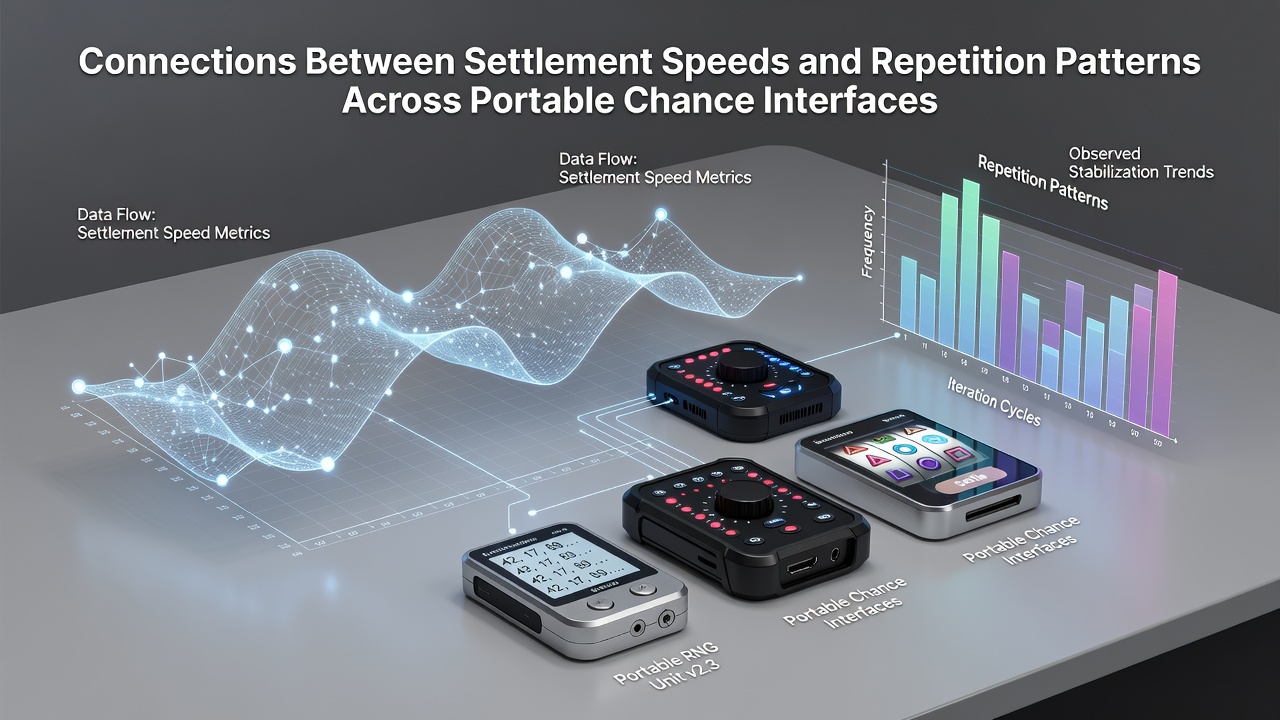
Figures from longitudinal tracking projects further illustrate these links. Sessions featuring rapid credit updates showed denser clusters of repeated bets, particularly in chance-based formats where outcomes reset quickly. In contrast, interfaces with variable delays exhibited more fragmented patterns, including extended idle periods between engagements. According to reports issued by the Australian Communications and Media Authority, regulatory frameworks emphasizing efficient digital payments have contributed to observable shifts in how users structure their time on mobile platforms throughout 2025 and into mid-2026.
Developments Around June 2026
Market adjustments scheduled for June 2026, including certain riverboat venue transitions, coincide with broader pushes toward mobile optimization in affected regions. These changes highlight ongoing adaptations where operators refine settlement protocols to align with portable user preferences amid evolving physical-to-digital transitions. Data collected during similar prior shifts suggests that emphasis on faster processing helps sustain engagement levels even as infrastructure evolves.
Additional variables such as device performance, connectivity stability, and payment provider partnerships also factor into the observed relationships. Platforms integrating multiple settlement options tend to display more uniform repetition across diverse user bases, reducing disparities caused by slower fallback methods.
Conclusion
Overall patterns indicate that settlement speeds serve as a measurable driver of repetition within portable chance interfaces, supported by transaction logs and regulatory datasets from varied jurisdictions. Continued monitoring through 2026 will likely refine understanding of these dynamics as mobile ecosystems expand and payment technologies advance across global markets.