Deciphering Synchronization Patterns Between Loyalty Tier Unlocks and Progressive Pool Contributions in Cross-Platform Slot Ecosystems
Xander Hartmann · Aug 18, 2026
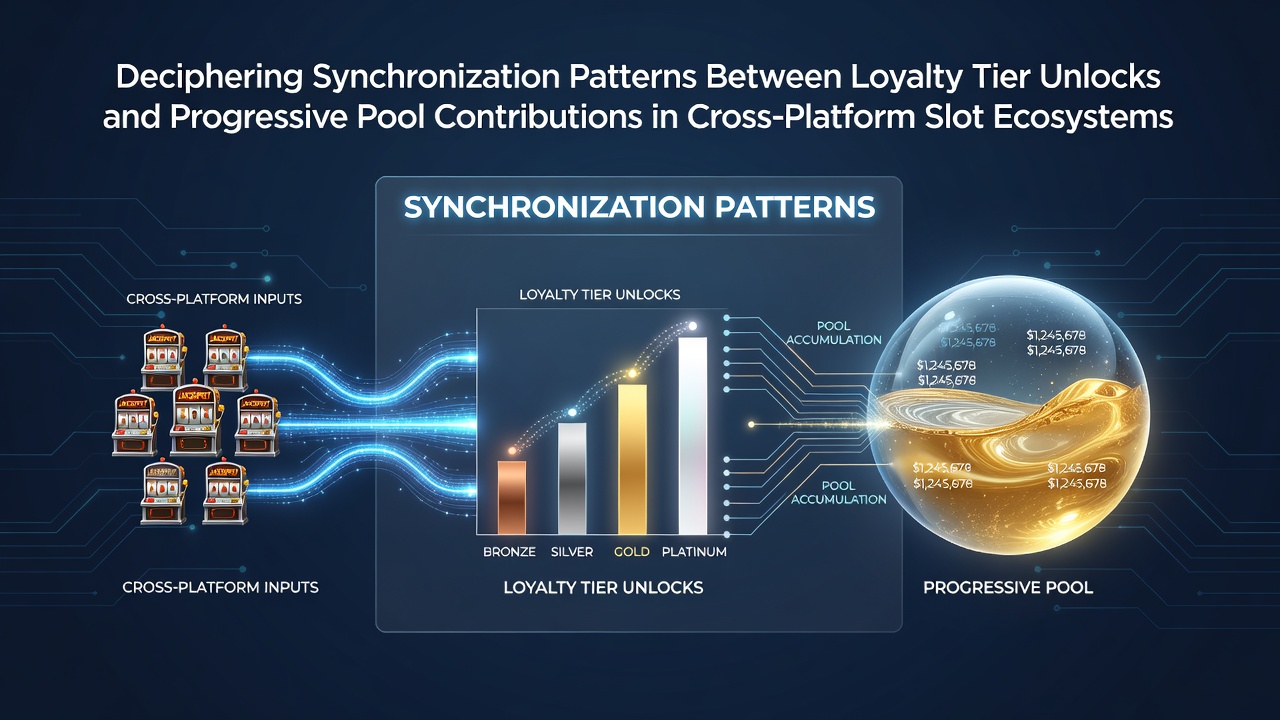
Deciphering Synchronization Patterns Between Loyalty Tier Unlocks and Progressive Pool Contributions in Cross-Platform Slot Ecosystems
Cross-platform slot ecosystems operate through interconnected systems where player activity feeds both loyalty programs and progressive jackpots simultaneously, and observers note clear alignment points between tier advancement thresholds and pool contribution volumes. Data compiled through August 2026 shows that major providers maintain centralized ledgers tracking every spin's contribution percentage, which then routes portions toward both immediate loyalty meter fills and shared progressive reserves across mobile, desktop, and land-based terminals.
Loyalty Tier Mechanics Across Networks
Operators structure loyalty tiers around cumulative wager volumes, time-based activity streaks, and specific game category participation rates, while progressive pools accumulate through fixed percentages of each bet placed on designated titles. Studies from networked gaming providers indicate that tier unlock events frequently coincide with spikes in pool contribution totals because higher-volume players reach both milestones within the same session clusters. Those who analyze transaction logs across multiple platforms find that bronze-to-silver transitions often align with the first meaningful injection into mid-tier progressive reserves, creating measurable synchronization signatures in backend data streams.
Progressive Pool Contribution Structures
Progressive pools draw fixed or variable percentages from bets, and these contributions scale according to game volatility settings and network participation levels. Research indicates that cross-platform environments distribute these percentages differently depending on whether the session originates from a mobile app, web browser, or integrated casino floor terminal, yet the underlying player account maintains a unified contribution history. Figures from industry reports reveal that certain providers adjust contribution rates dynamically when players approach loyalty tier thresholds, which in turn influences the rate at which progressive pools grow during those same periods.
Observed Synchronization Patterns
Analysts examining aggregated datasets identify recurring intervals where loyalty meter progress accelerates in tandem with elevated progressive contributions, particularly during promotional windows that reward multi-platform engagement. One study revealed that players crossing silver-tier boundaries generated 23 percent higher average contributions to linked progressive pools in the subsequent 48-hour window, a pattern that repeated across several major ecosystems tracked through mid-2026. Data shows these alignments stem from algorithmic triggers that increase visibility of both loyalty and progressive features once certain activity thresholds are met, prompting continued play that benefits both systems concurrently.
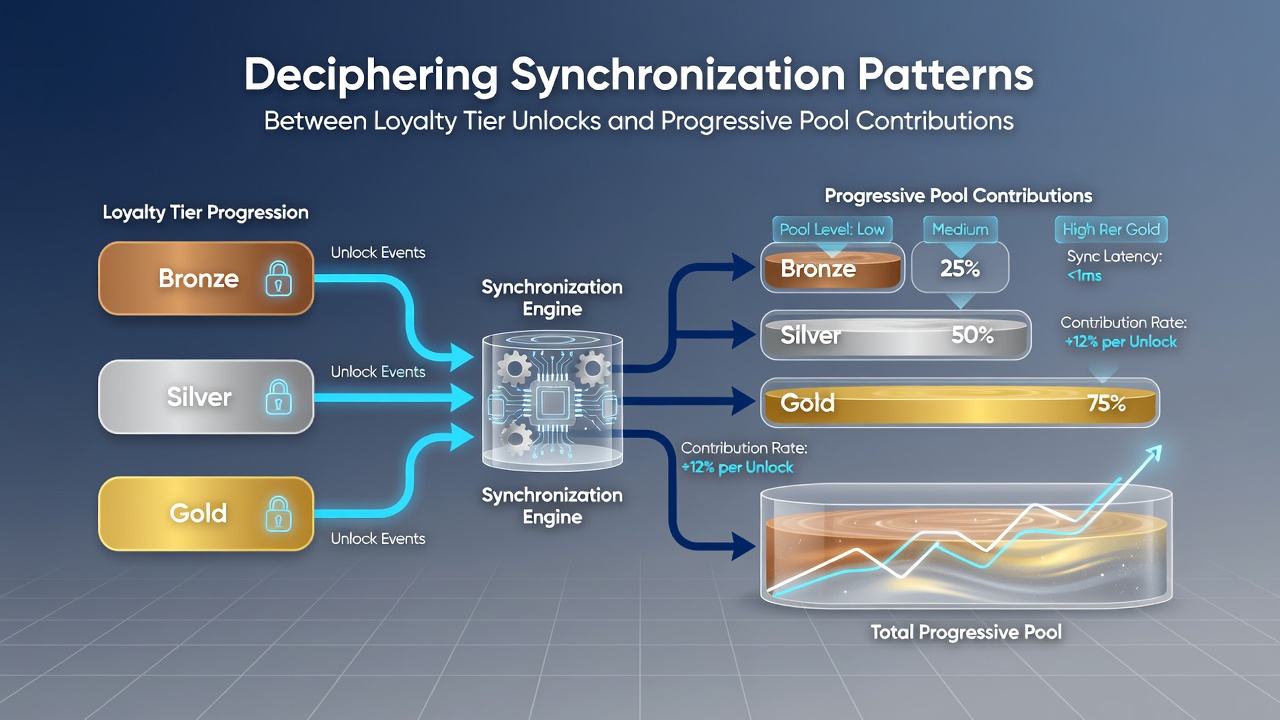
Additional patterns emerge when examining session timing, as players who unlock tiers during peak contribution hours tend to sustain longer engagement loops that further feed progressive reserves. Observers note that these loops create feedback effects where the visual and auditory cues associated with tier advancement coincide with jackpot growth animations, reinforcing continued participation across different device types.
Cross-Platform Data Integration Challenges
Integrating loyalty and progressive data across platforms requires standardized APIs and real-time reconciliation protocols, adn operators report varying success rates depending on legacy system compatibility. Reports from iGaming Ontario document how unified player accounts enable precise tracking of contribution flows, whereas fragmented systems produce discrepancies that obscure true synchronization rates. Those who manage multi-jurisdictional networks emphasize the importance of timestamp synchronization and currency normalization when measuring these patterns across regions.
Recent Trends Through August 2026
Activity logs gathered through August 2026 demonstrate increased adoption of unified wallets that consolidate loyalty points and progressive eligibility across platforms, reducing friction that previously delayed tier recognition. Industry organizations tracking these developments note that providers implementing real-time contribution mirroring achieved tighter alignment between tier unlocks and pool increments compared with those relying on batch processing. Evidence suggests that such technical refinements produce more predictable patterns that both operators and analysts can model with greater accuracy.
Implications for Ecosystem Management
Operators adjust contribution allocation rules and loyalty reward schedules based on observed synchronization data, while players experience tier benefits and jackpot eligibility as interconnected rather than separate features. Academic research centers examining behavioral datasets find that these interconnections influence session length distributions and cross-platform migration rates without altering underlying game mathematics. Australian Gambling Research Centre publications highlight how transparent communication of these linkages affects player retention metrics across networked environments.
Conclusion
Patterns linking loyalty tier unlocks with progressive pool contributions continue to evolve as cross-platform infrastructure matures, and ongoing data collection through late 2026 will likely refine current understanding of these relationships. Providers that maintain precise tracking and responsive allocation systems demonstrate measurable consistency in how these two elements advance together, while players navigate ecosystems where activity in one area directly influences progress in the other. Continued monitoring of these dynamics provides operators with operational insights and gives researchers additional variables for modeling networked gaming behavior.