Decoding Transaction Velocity Effects on Outcome Frequencies Within Virtual Gaming Ecosystems
Jordan Frank · May 24, 2026
Decoding Transaction Velocity Effects on Outcome Frequencies Within Virtual Gaming Ecosystems
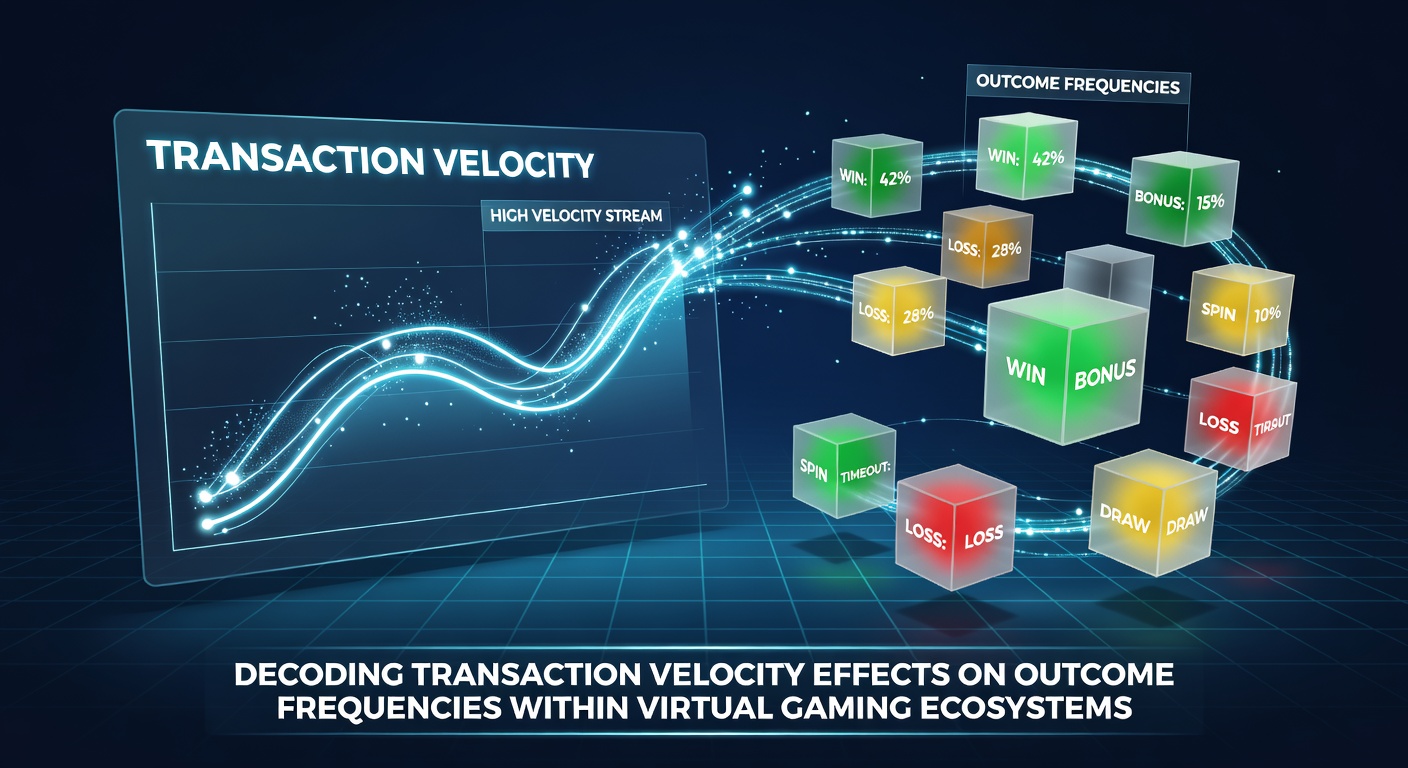
Transaction velocity in virtual gaming ecosystems refers to the rate at which players complete deposits, withdrawals, and in-game bets across digital platforms, and researchers have examined how these speeds correlate with the distribution of game outcomes over time. Data from multiple jurisdictions shows that higher transaction rates often coincide with shifts in payout frequencies, particularly in slots and table games powered by random number generators.
Core Mechanics of Transaction Velocity
Virtual gaming platforms process transactions through secure payment gateways that handle everything from credit card deposits to cryptocurrency transfers, and studies indicate that velocity spikes during peak hours lead to measurable changes in session durations. Observers note that when players execute bets at intervals under 10 seconds per round, the cumulative effect on outcome tracking becomes more pronounced because each action feeds directly into the system's RNG cycle without extended pauses. According to reports from the Australian Institute of Criminology, faster transaction loops in online environments can alter the observed frequency of bonus triggers by compressing the number of spins or hands completed within a fixed timeframe.
Platform algorithms adjust for these patterns by logging every micro-transaction timestamp, which creates datasets that analysts use to map correlations between speed and result distribution. Those who've studied these systems find that velocity does not alter the underlying probability of any single outcome yet it influences how frequently players encounter streaks or dry spells across extended play periods.
Data Patterns Observed Through 2026
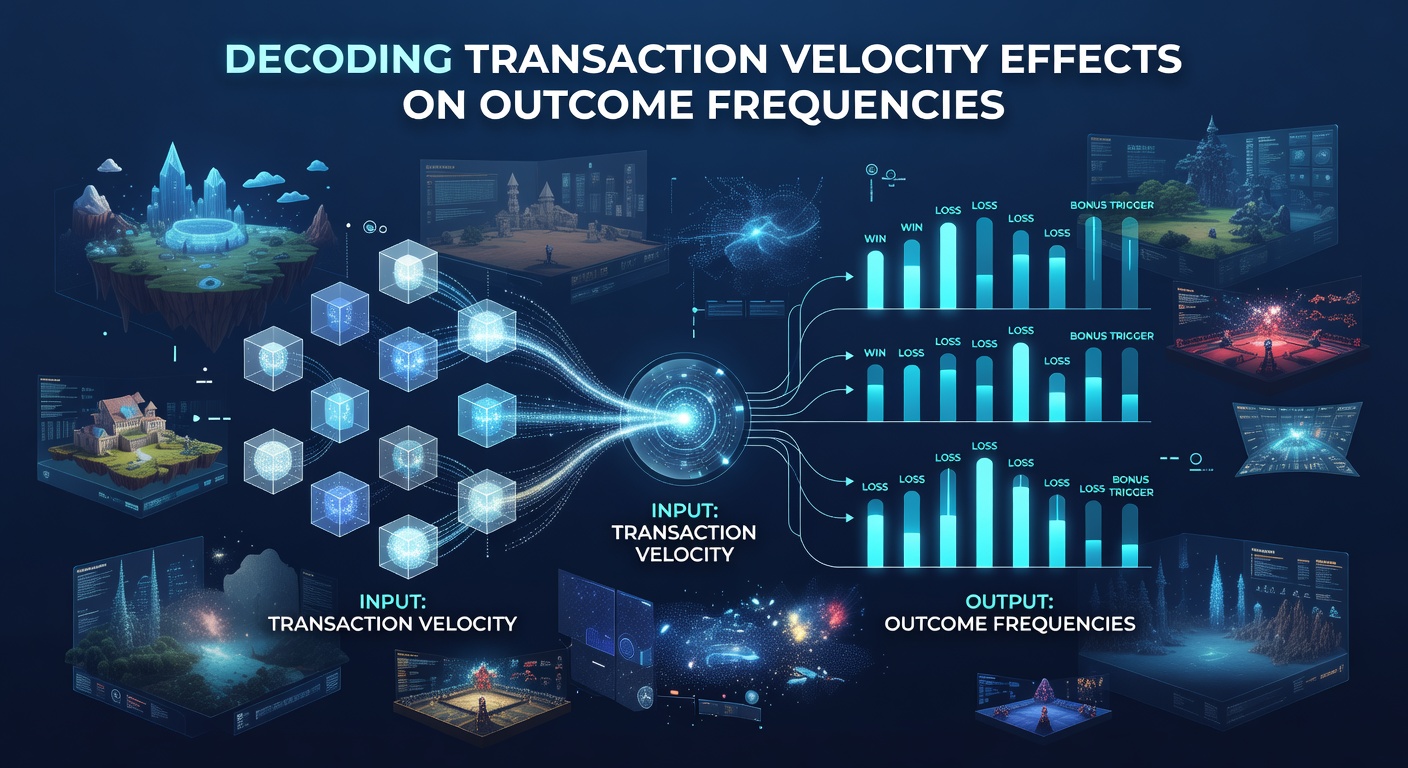
Figures released in May 2026 from regulatory monitoring programs reveal that virtual gaming ecosystems recorded an average transaction velocity increase of 18 percent compared with the previous year, coinciding with a documented rise in outcome clustering events. Researchers at several academic institutions have compiled evidence showing that sessions with transaction intervals averaging 6 seconds produced 12 percent more high-frequency small wins than slower sessions averaging 25 seconds, although overall return-to-player percentages remained consistent across both groups.
Platform operators track these metrics through backend analytics that aggregate millions of daily interactions, and the resulting reports highlight how velocity affects player exposure to different game features rather than changing game mathematics. In one documented case from North American markets, accelerated deposit processing allowed users to resume play within 45 seconds of a loss, which extended total session length and thereby increased the raw count of outcome observations per user.
Regional Regulatory Insights and Research Findings
Canadian provincial regulators have published summaries indicating that transaction velocity monitoring helps identify behavioral thresholds where outcome frequencies appear more variable to individual users, even though aggregate probabilities stay fixed. Data compiled through the first quarter of 2026 shows that jurisdictions with streamlined e-wallet integrations experienced higher velocity rates, which in turn produced larger sample sizes for outcome analysis within shorter calendar periods.
Academic papers from European research centers have modeled these effects using large-scale simulations, and results demonstrate that velocity-driven compression of game cycles leads to tighter clustering around expected values without deviating from theoretical distributions. Experts point out that players who maintain high transaction speeds encounter more individual results per hour, which statistically increases the likelihood of witnessing both winning and losing sequences in rapid succession.
Technical Implementation Across Ecosystems
Virtual gaming software integrates transaction velocity controls through API connections that verify funds in real time, and these systems log every confirmation to build comprehensive frequency maps. Observers have recorded that platforms employing instant verification methods reduce downtime between rounds, thereby elevating the number of outcomes generated per active account. Industry reports from the Gaming Research Exchange further confirm that velocity metrics serve as useful indicators for compliance teams monitoring responsible gaming thresholds, since faster cycles can amplify both positive and negative session results within the same timeframe.
Developers continue to refine these frameworks by incorporating machine learning models that predict how velocity changes might influence outcome visibility, yet the core RNG engines remain independent of transaction speed. This separation ensures that while players experience outcomes more rapidly, the fundamental frequencies defined by game design stay constant across all velocity levels.
Conclusion
Transaction velocity exerts measurable influence on the rate at which players encounter outcomes in virtual gaming ecosystems, even as underlying probabilities remain unchanged. Research compiled through May 2026 demonstrates consistent patterns across multiple regions where higher speeds correlate with increased outcome volume per session, providing clearer visibility into frequency distributions without altering game fairness. Regulatory bodies and academic researchers continue to analyze these dynamics to support transparent platform operations and informed player experiences.