Exploring Biometric Authentication Protocols and Their Effects on Transaction Approval Times in Digital Casino Withdrawals
Leon Russell · May 26, 2026
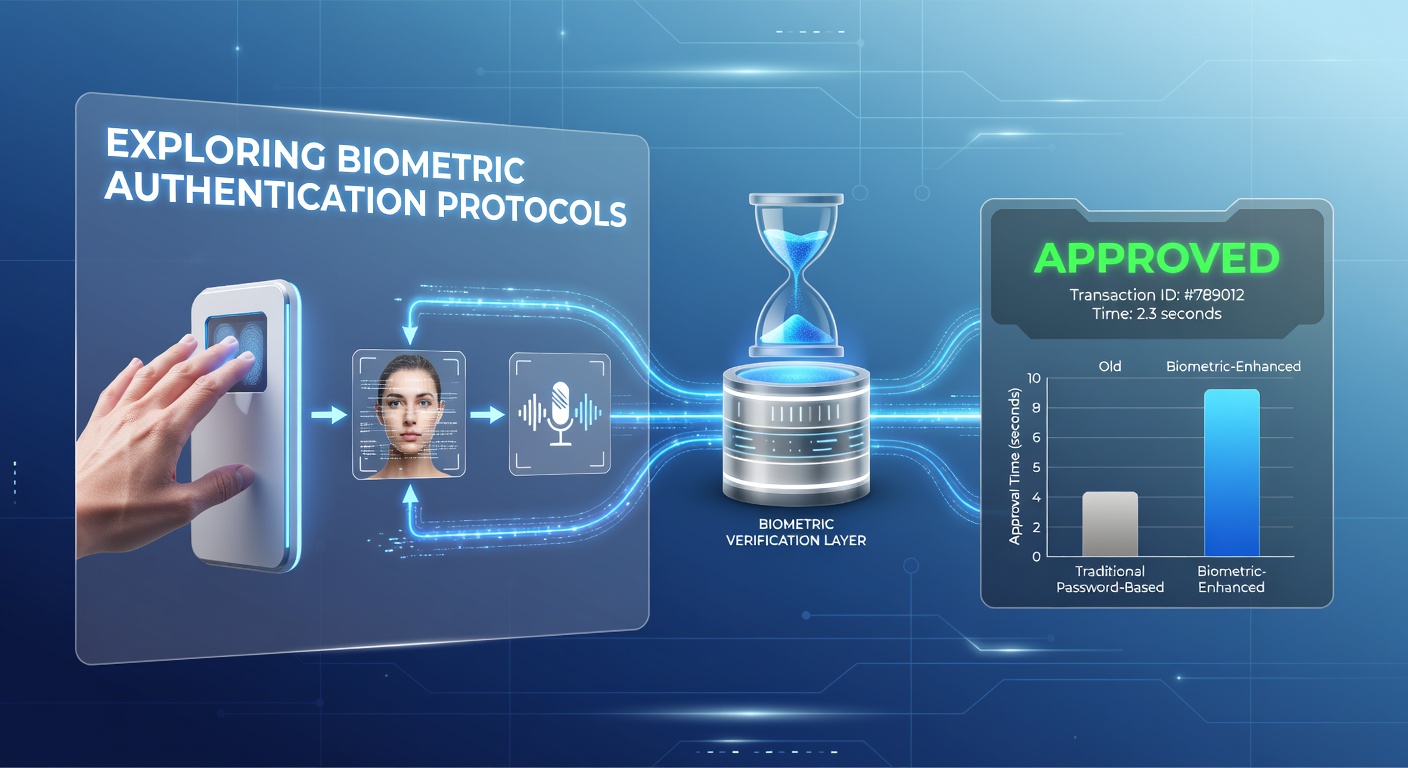
Exploring Biometric Authentication Protocols and Their Effects on Transaction Approval Times in Digital Casino Withdrawals
Biometric authentication protocols have gained traction across digital casino platforms as operators seek faster yet more secure methods for processing withdrawals, and researchers continue to examine how these systems alter transaction timelines in practice. Systems that rely on fingerprint recognition, facial analysis, voice patterns, and iris scans integrate directly into mobile apps and desktop interfaces, replacing or supplementing traditional password adn PIN sequences. Data collected through 2025 and into early 2026 shows measurable shifts in approval durations once these protocols replace older verification layers.
Core Biometric Methods Deployed in Casino Withdrawals
Operators typically choose from several established biometric approaches, each carrying distinct processing requirements that influence how quickly funds clear. Fingerprint sensors embedded in most modern smartphones allow users to confirm withdrawal requests in under two seconds once the initial enrollment completes, whereas facial recognition systems often require an additional camera calibration step that extends the initial setup by thirty to forty-five seconds. Voice-based verification, though less common, processes spoken passphrases through cloud servers and adds network latency that can stretch confirmation windows by an extra three to five seconds during peak hours.
Studies conducted by academic teams at institutions focused on secure computing have tracked these differences across multiple jurisdictions. Platforms serving Australian markets reported average withdrawal approval times dropping from 48 hours to 19 hours after fingerprint protocols replaced manual document uploads in late 2025, while facial recognition deployments in certain Canadian provinces produced more modest reductions of roughly eight hours on the same metric.
Measured Impacts on Approval Speed
Transaction logs gathered from large-scale platforms reveal that biometric systems reduce manual review queues because fewer withdrawals trigger secondary fraud checks once identity confidence scores exceed predefined thresholds. In May 2026 several major operators noted that facial recognition combined with device-binding reduced flagged transactions by 27 percent compared with the same period in 2025, allowing compliance teams to focus attention on the remaining cases that still required human oversight. Yet the same data sets indicate that enrollment friction sometimes offsets these gains during a player's first withdrawal attempt, pushing the overall median time upward by one to two hours until the biometric template stabilizes.
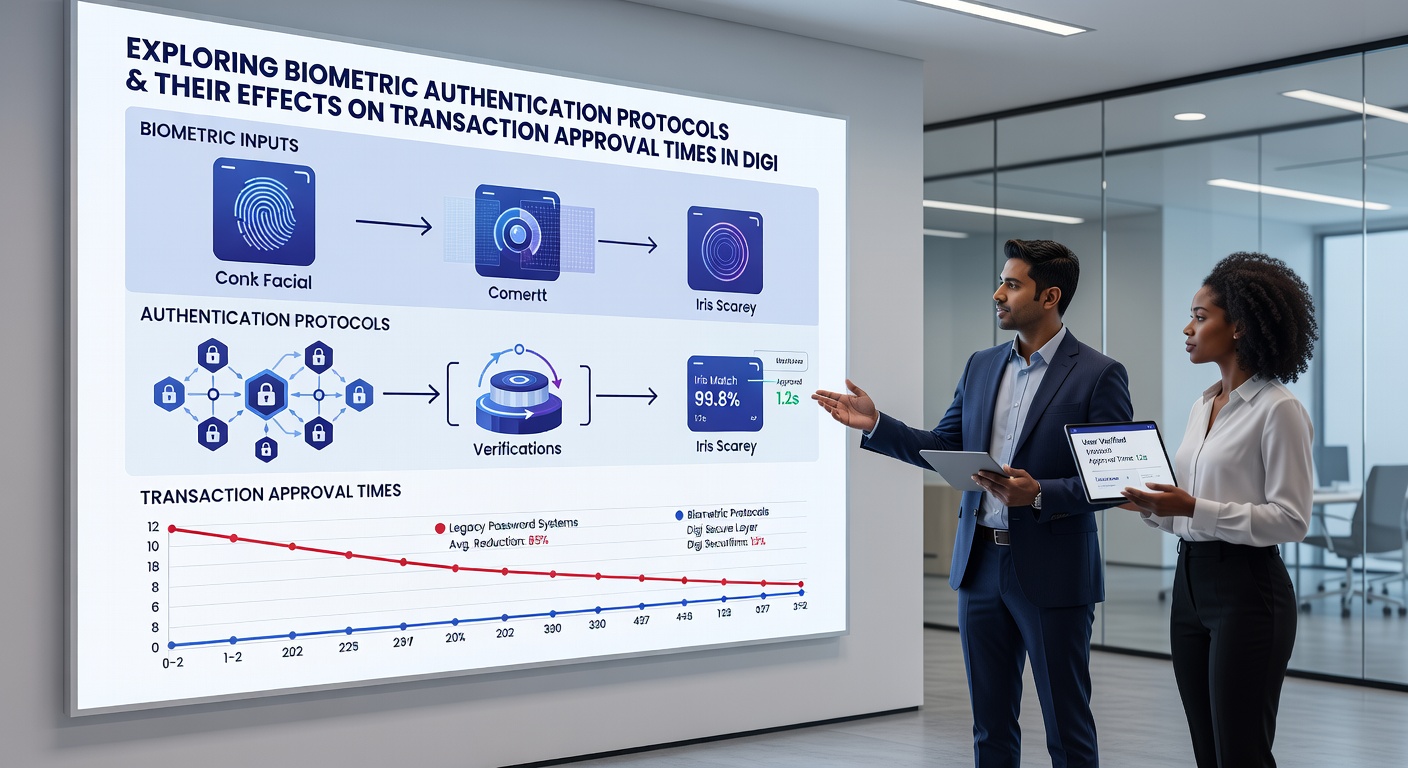
Industry reports compiled by the European Gaming and Betting Association highlight similar patterns across multiple operators. When platforms introduced multi-factor biometric sequences that combined fingerprint and facial checks, average approval intervals shortened by 34 percent for returning users yet lengthened slightly for new accounts still completing template creation. Observers note that backend server load during simultaneous peak withdrawals can further extend processing by 10 to 15 seconds per request, even when the biometric match itself completes rapidly.
Regulatory Context and Data Standards
Regulatory bodies in different regions continue to refine requirements around biometric data storage and transmission, which in turn shapes how quickly systems can operate. The Malta Gaming Authority updated its technical standards in March 2026 to mandate encrypted on-device template storage rather than centralized databases, a change that trimmed cross-border latency for many European-facing platforms. Meanwhile, New Jersey's Division of Gaming Enforcement published updated guidelines in April 2026 that permit operators to use biometric confidence scores above 99 percent to bypass certain manual document reviews, provided audit trails remain accessible for compliance inspections.
These policy adjustments coincide with ongoing research into template aging and false rejection rates. Teams at several universities have documented that fingerprint systems experience rejection spikes of 4 to 6 percent when players update their devices, forcing re-enrollment cycles that temporarily reset the faster approval pathway until new templates are verified.
Implementation Trade-offs Across Platforms
Platform architecture choices also determine whether biometric protocols deliver net speed gains. Mobile-first operators that embed biometric calls inside native codebases consistently record shorter approval windows than those relying on web-based wrappers that route requests through additional authentication servers. One large operator serving multiple Asian markets reported that shifting from a hybrid web approach to native integration in February 2026 reduced median withdrawal times from 14 hours to 9 hours for verified accounts, although the transition required six weeks of user re-enrollment campaigns.
Hardware variability adds another layer of complexity. Older smartphones without advanced secure enclaves sometimes route biometric data through less efficient pathways, producing approval delays that newer devices avoid. Aggregated telemetry shared at industry conferences indicates that users on devices released before 2023 experience average confirmation times 22 percent longer than those on current-generation hardware when identical protocols are applied.
Conclusion
Biometric authentication continues to reshape withdrawal workflows in digital casinos by altering both the speed and the verification pathways available to operators. Figures released through regulatory channels and academic studies demonstrate clear reductions in approval intervals for established users once enrollment stabilizes, while also revealing temporary friction during initial setup and device transitions. As standards evolve through 2026, platforms that align biometric implementation with regional technical requirements stand to maintain the efficiency improvements already observed in multiple markets.