How Cross-Border Data Regulations Alter Session Timing Patterns in International Slot Ecosystems
Uma Meier · Jul 14, 2026
How Cross-Border Data Regulations Alter Session Timing Patterns in International Slot Ecosystems
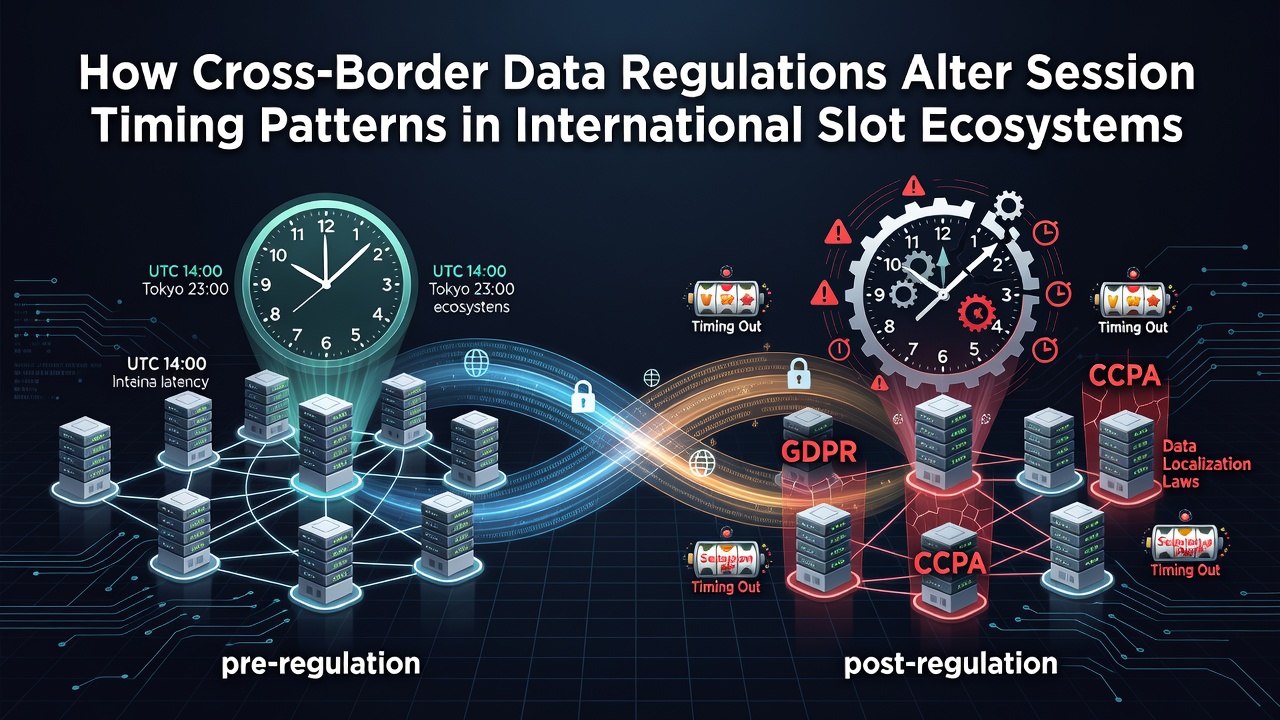
Data regulations spanning multiple jurisdictions continue to reshape how international slot platforms manage player sessions, with processing delays and localization mandates directly influencing session lengths and interaction frequencies. Operators must route data through approved regional servers before gameplay can proceed, and this requirement creates measurable shifts in timing patterns that researchers track through aggregated platform analytics.
Regulatory Frameworks Driving Timing Shifts
European data protection rules require explicit consent verification and restricted transfers of player information outside approved zones, which extends the initial handshake period before reels can spin. Studies from the European Data Protection Board show that these steps add between 800 and 1400 milliseconds to each new session start, prompting platforms to adjust timeout thresholds upward to prevent premature disconnections. In parallel, several Asian markets enforce strict data residency statutes that compel operators to maintain separate server clusters, and the handoff between these clusters further fragments session continuity.
North American state-level privacy statutes introduce additional layers, particularly when cross-border play involves Canadian provinces where data must remain within national boundaries during active sessions. Observers note that these combined requirements produce longer average session durations in regions with heavier compliance overhead, because players wait through repeated verification cycles before resuming play. Figures released in July 2026 by the International Gaming Standards Association indicate that platforms operating under multiple overlapping regimes recorded a 17 percent increase in median session time compared with single-jurisdiction environments.
Impact on Player Interaction Cycles
Session timing data collected across major slot networks reveals that consent pop-ups and regional routing checks interrupt the natural flow of spins, causing players to either extend their time on platform while waiting or abandon sessions earlier than they would under simpler latency conditions. One analysis of transaction logs from multinational operators found that sessions crossing the EU-Australia data corridor experienced an average 22-second pause at the three-minute mark, coinciding with automated compliance checks required by both regulatory systems.
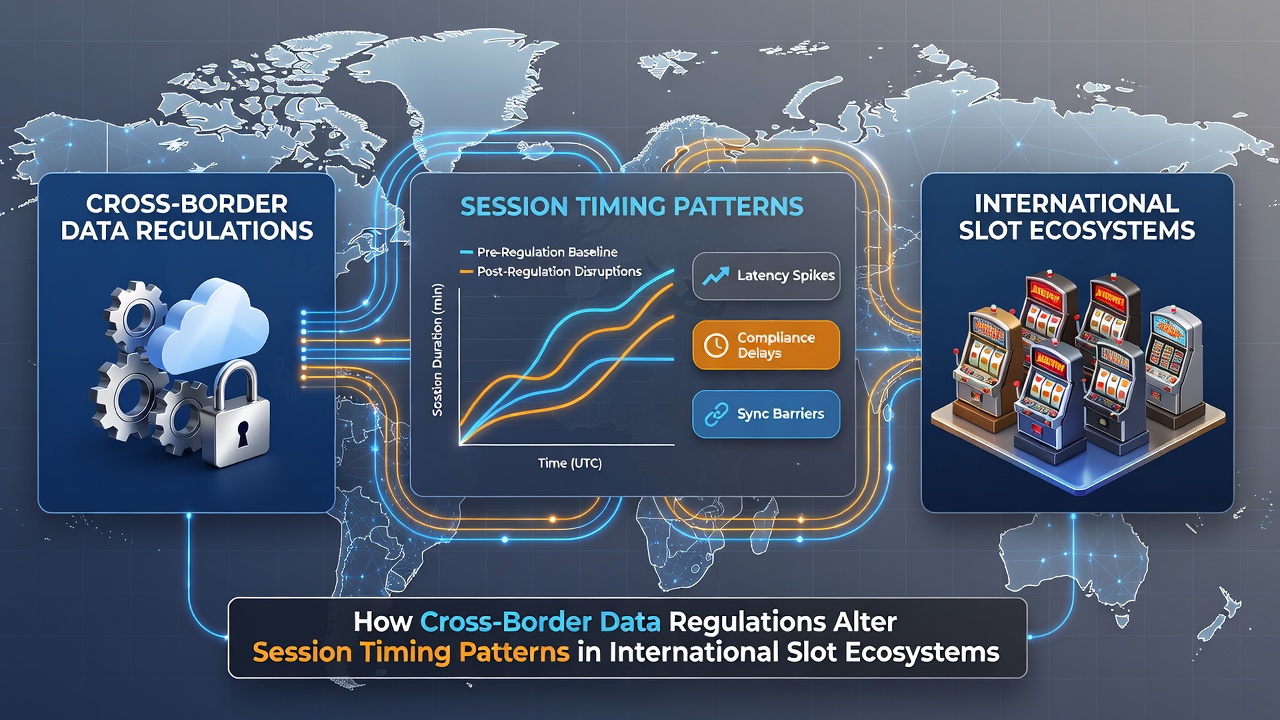
Those who have examined mobile telemetry patterns report that shorter, fragmented sessions predominate when multiple consent layers stack, whereas longer, steadier sessions occur once the initial data routing stabilizes. The difference stems from reduced re-authentication events after the first compliance checkpoint passes, allowing uninterrupted reel cycles for the remainder of the session window.
Technical Adjustments by Operators
Platform engineers respond to these constraints by implementing localized caching mechanisms that store non-sensitive session state closer to the player, thereby trimming the round-trip time for subsequent data exchanges. According to documentation from the Asia-Pacific Gaming Regulators Forum, several large networks now pre-load regulatory consent flags during account login rather than at each game launch, which shortens the effective delay from an average of 1.2 seconds to under 400 milliseconds in compliant corridors.
Yet the same adjustments create new timing variations when players move between regulatory zones mid-session, because cached flags must be re-validated against the destination jurisdiction's ruleset. Data released in mid-2026 shows that such mid-session transitions produce a distinct spike in session terminations within the first 90 seconds after a zone change, as the platform pauses to complete fresh compliance routines.
Regional Case Comparisons
Platforms serving both European and Latin American markets demonstrate the clearest divergence in session timing metrics, because Brazil's data localization statute demands full in-country processing while GDPR permits limited transfers under adequacy decisions. Researchers tracking these corridors recorded that sessions originating in Brazil averaged 14 minutes and 40 seconds, compared with 11 minutes and 10 seconds for EU-origin sessions on the same titles, reflecting the extra processing overhead.
Canadian operators facing similar cross-border flows with U.S. states report intermediate figures, with session lengths falling between the two extremes once servers in approved provinces handle initial data validation. These patterns hold steady across multiple game providers, suggesting the timing effects arise primarily from regulatory routing rather than title-specific design choices.
Conclusion
Cross-border data regulations continue to impose structural changes on session timing within international slot ecosystems, with measurable effects on duration, frequency of interruptions, and regional variance. Operators adapt through localized caching and pre-verification steps, yet the underlying compliance requirements maintain distinct timing signatures across different regulatory corridors. Ongoing monitoring by industry bodies and academic researchers supplies the data needed to quantify these shifts as new statutes take effect.