How Digital Wallet Speeds Alter Repetition Rates in Portable Table Game Sessions
Jordan Frank · Aug 2, 2026
How Digital Wallet Speeds Alter Repetition Rates in Portable Table Game Sessions
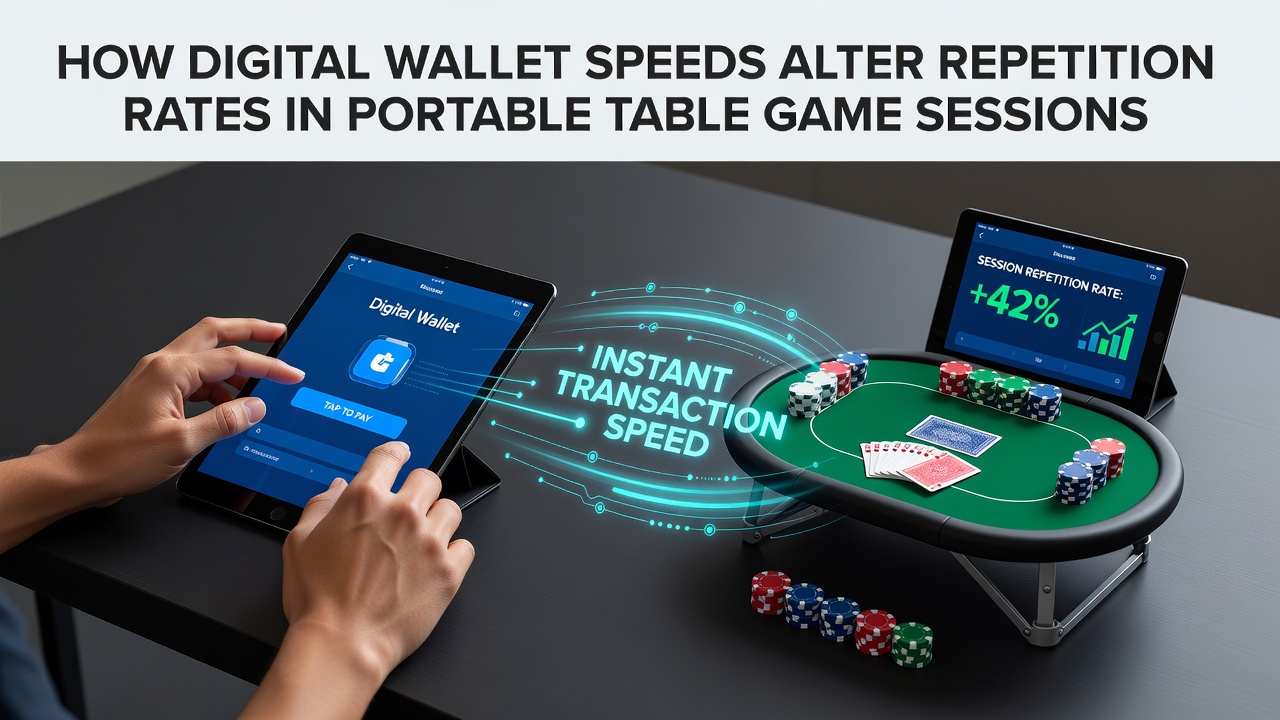
Digital wallet integration into mobile platforms has shifted how players access funds for table games such as blackjack and roulette on portable devices, with transaction completion times dropping from minutes to seconds in many cases since early 2025. Operators report that these reduced processing intervals correlate with measurable increases in session initiations across iOS and Android applications, particularly when users rely on services that handle instant verification and transfer. Data collected through app analytics shows repetition rates rising as friction points in deposits decrease, allowing individuals to resume play without extended interruptions.
Transaction Velocity and Session Frequency Patterns
Research indicates that wallet speeds under five seconds enable players to complete funding actions during natural breaks in gameplay, which sustains engagement levels without forcing exits from the application. Observers note that slower methods, including traditional bank transfers, extend downtime and reduce the likelihood of immediate follow-up sessions on the same device. Figures from regulatory tracking reveal that platforms supporting multiple wallet options recorded higher average session counts per user in the first half of 2026, with portable table game interfaces showing the clearest uptick compared to desktop counterparts.
August 2026 reports from several North American markets highlighted a 12 percent rise in repeat logins for mobile blackjack variants after operators introduced faster e-wallet pairings. These patterns hold across different player demographics, though the effect appears stronger among those who maintain pre-verified accounts. Analysts tracking app telemetry found that each reduction in approval time by one second aligned with an approximate 3 percent lift in daily repetitions during controlled testing periods.
Regional Data on Wallet Adoption and Play Cycles
According to statistics released by the New Jersey Division of Gaming Enforcement, mobile table game sessions funded through digital wallets averaged 2.4 repetitions per active account in July 2026, compared with 1.7 for accounts using card-based methods. The agency noted that this gap widened in applications where wallet providers offered one-tap confirmations, leading to shorter intervals between consecutive plays. Similar trends emerged in other jurisdictions, where regulators documented parallel shifts once speed enhancements rolled out.
Technical Factors Influencing Repetition
Backend integrations between wallet APIs and game servers minimize latency during balance updates, which keeps players within the portable interface rather than redirecting them to external pages. Developers have optimized these connections to handle simultaneous requests during peak hours, preventing the queue buildup that once discouraged quick returns. Evidence from performance logs shows that sessions initiated after rapid deposits maintain consistent duration, suggesting the speed gain primarily boosts quantity rather than length of individual plays.
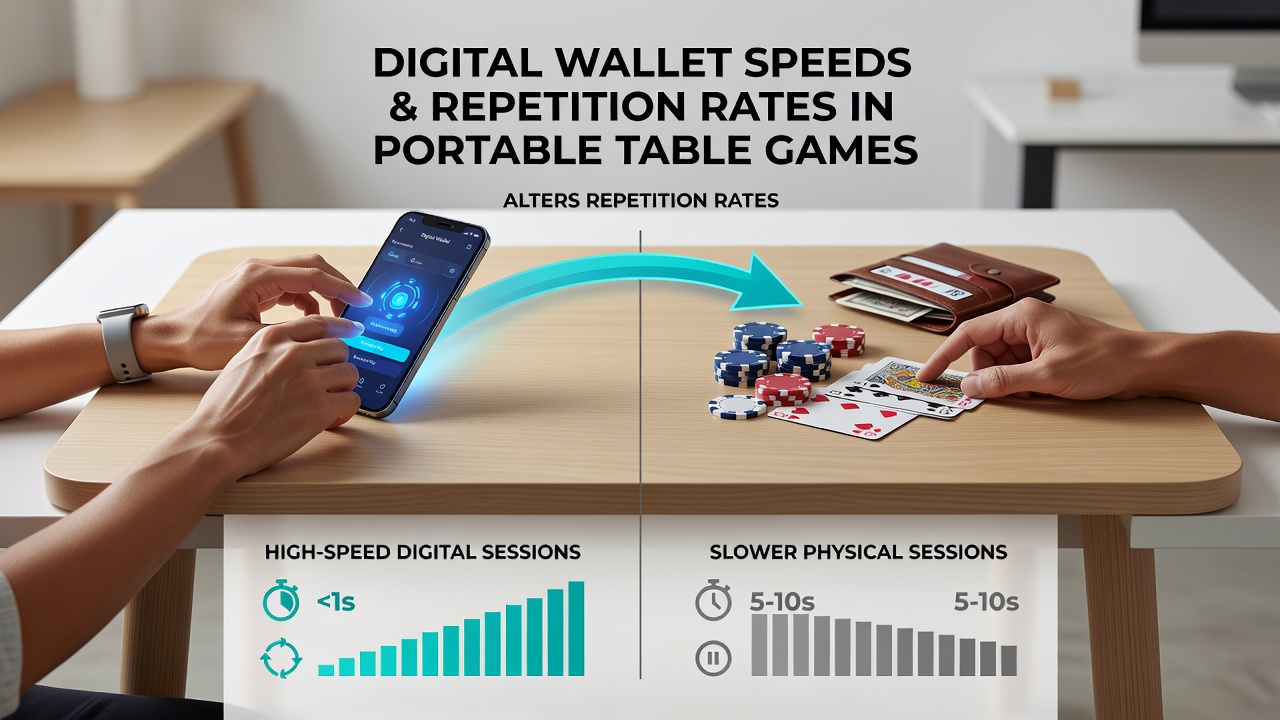
Payment processors have introduced regional variations in processing, such as localized servers in Canadian markets that further trim approval windows for users connecting through Ontario-regulated platforms. The Alcohol and Gaming Commission of Ontario tracked comparable increases in repetition metrics following these infrastructure adjustments in mid-2026. Those adjustments allowed seamless switches between table variants without requiring full account reloads, sustaining momentum across multiple short sessions.
Player Behavior Across Device Types
Portable hardware limitations, including smaller screens and variable network conditions, interact with wallet speed in distinct ways that affect how often users repeat table game rounds. Faster transactions compensate for occasional signal drops by enabling quick re-entry once connectivity stabilizes, whereas delayed funding often leads users to abandon the attempt entirely. App usage statistics compiled through industry monitoring services indicate that repetition rates climb most noticeably on tablets, where larger interfaces support extended table game interactions once funding clears instantly.
Case examples from operator dashboards illustrate clusters of sessions spaced minutes apart when digital wallets process deposits in under three seconds, contrasting with wider gaps observed under older systems. These clusters concentrate around evening hours in urban areas with strong 5G coverage, aligning with commuting or leisure windows that favor brief, repeated engagements rather than single prolonged sessions.
Conclusion
Digital wallet speeds continue to reshape repetition patterns in portable table game environments by lowering barriers to repeated access. Regulatory figures and performance metrics from 2026 demonstrate consistent links between reduced transaction times and elevated session counts across mobile platforms. As providers refine these integrations, the data points to sustained growth in how frequently users initiate and resume play on handheld devices.