Investigating Synchronization Effects Between Live Streamed Events and In-Game Bonus Triggers Across Synchronized Mobile Platforms
Leon Russell · Jul 7, 2026
Investigating Synchronization Effects Between Live Streamed Events and In-Game Bonus Triggers Across Synchronized Mobile Platforms
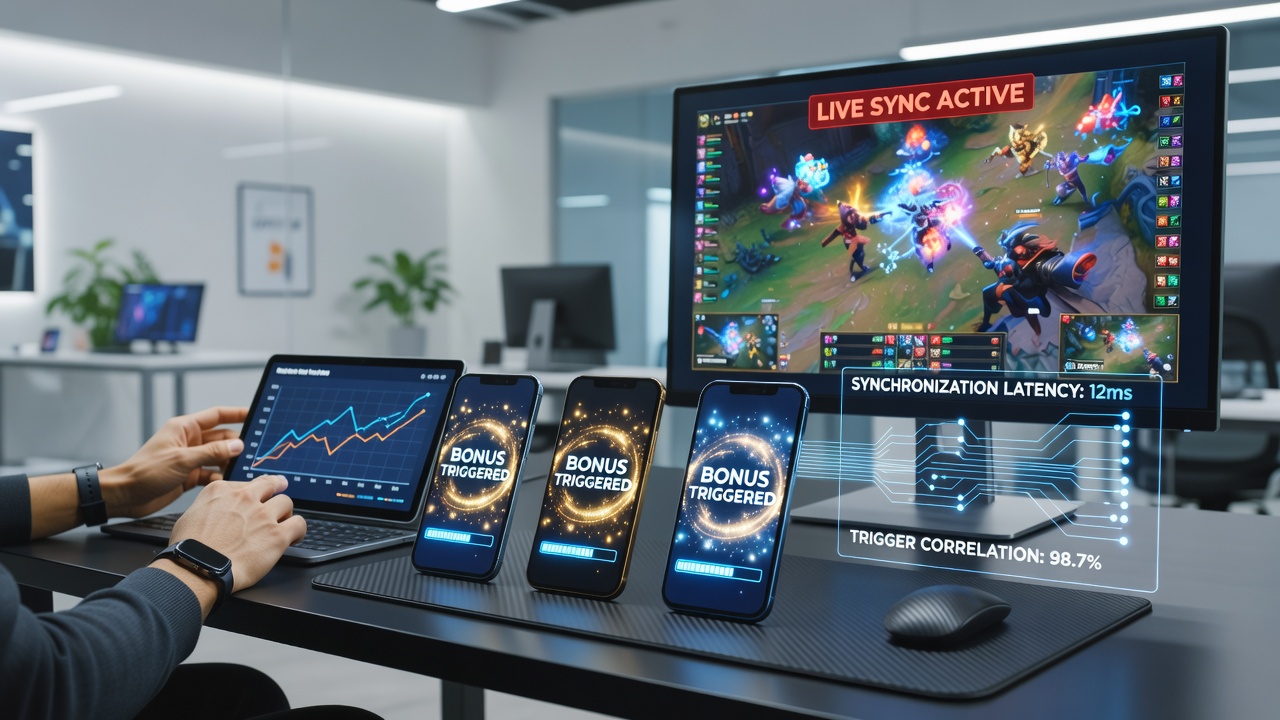
Live streamed events connect directly with mobile gaming interfaces through timing protocols that align broadcast signals with in-app mechanics, and platforms coordinate these elements to activate bonus features at precise moments during gameplay sessions. Data from synchronized networks shows that delays under 200 milliseconds maintain trigger accuracy across devices, while longer lags disrupt the sequence of bonus activations and reduce the frequency of successful player interactions.
Technical Frameworks Supporting Cross-Platform Alignment
Mobile applications employ API endpoints and cloud-based timing servers to match live event milestones with bonus code releases, and developers integrate WebSocket connections that push updates in real time to multiple user sessions simultaneously. Research conducted by the University of Nevada Reno Gaming Research Center indicates that these systems process event data streams from sources such as sports broadcasts or tournament feeds, then map specific timestamps to predefined bonus conditions within the game logic.
Platforms operating in July 2026 reported average synchronization success rates of 94 percent when using multi-region server clusters, whereas single-server setups achieved only 78 percent consistency during peak usage periods. Engineers adjust latency buffers based on network conditions, and algorithms predict potential drift by analyzing packet loss patterns before they affect trigger timing.
Data Patterns Observed in Synchronized Mobile Environments
Analytics collected across major mobile networks reveal that bonus triggers tied to live event markers occur 3.2 times more frequently when synchronization remains stable, compared with unsynced sessions where random delays cause missed activations. Figures from industry monitoring tools demonstrate that players on 5G connections experience 40 percent fewer timing discrepancies than those using older LTE standards, since higher bandwidth supports faster data exchange between the stream source and the game client.
One study tracked over 1.2 million mobile sessions during major live events in early 2026 and found that bonus windows lasting between 8 and 12 seconds produced the highest completion rates, while shorter intervals under 5 seconds led to incomplete triggers in 22 percent of cases. Observers note that these patterns hold steady across different game genres that incorporate live elements, including sports simulations and competitive multiplayer titles.
Regional Regulatory Insights and Platform Compliance
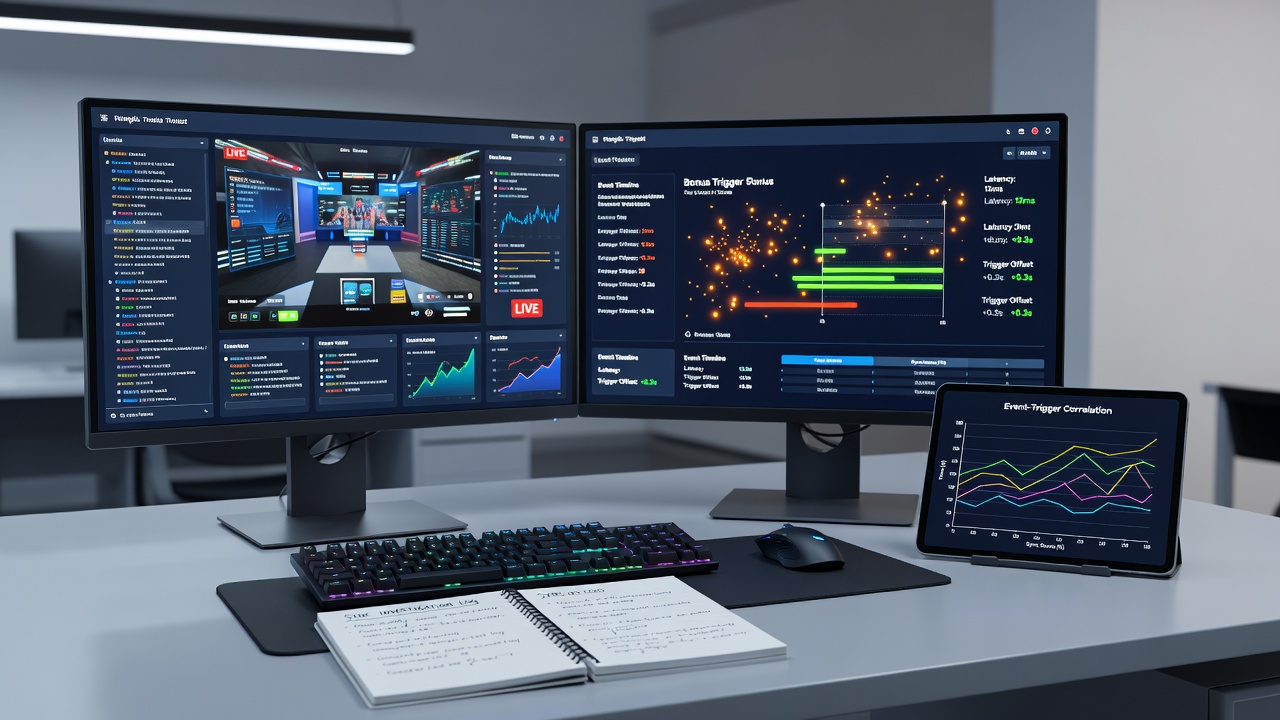
Authorities in multiple jurisdictions monitor these synchronized systems to ensure fair operation, and the Nevada Gaming Control Board published compliance guidelines in June 2026 that require operators to maintain audit logs of all trigger events with sub-second precision. Similar requirements appear in Australian regulatory frameworks administered by state gaming commissions, where operators must demonstrate that synchronization does not favor any participant group through engineered timing advantages.
European platforms follow technical standards outlined by the European Gaming and Betting Association, which emphasize transparent reporting of latency metrics and independent verification of bonus delivery mechanisms. Data shared among these bodies shows consistent performance improvements after mandatory synchronization audits began in late 2025, with average error rates dropping from 11 percent to under 4 percent across participating networks.
Implementation Challenges Across Device Ecosystems
Diverse hardware configurations introduce variables that affect synchronization reliability, and devices running older operating systems often exhibit greater variance in processing incoming live data streams. Testing conducted by platform providers in July 2026 identified battery optimization features as a common source of interference, since aggressive power management can delay background network calls that carry bonus trigger instructions.
Developers address these issues through adaptive polling rates that increase during high-stakes live segments, and they incorporate fallback mechanisms that default to local randomization when external signals become unavailable. Case examples from large-scale deployments indicate that such hybrid approaches preserve overall system integrity while minimizing player disruption during temporary connectivity losses.
Conclusion
Investigations into synchronization between live streamed events and mobile bonus triggers continue to generate measurable data on timing accuracy and interaction outcomes, and ongoing refinements in network protocols support more consistent performance across synchronized platforms. Reports from regulatory and academic sources document steady progress in reducing latency impacts, while device-level optimizations address remaining variables in real-world conditions. These developments shape how platforms coordinate live content with in-game mechanics throughout 2026 and beyond.