Regulatory Evolution and Its Effects on Progressive Prize Pools in Multi-Platform Wagering Systems
Leon Russell · Jul 19, 2026

Regulatory Evolution and Its Effects on Progressive Prize Pools in Multi-Platform Wagering Systems
Regulatory changes continue to reshape how progressive prize pools accumulate and distribute funds within cross-platform wagering networks, where operators link games across jurisdictions to build larger jackpots. Data from multiple regions shows these frameworks influence contribution rates, payout triggers, and fund segregation rules that operators must follow when managing shared pools.
Key Regulatory Developments Through Mid-2026
By July 2026 several jurisdictions had updated requirements for progressive systems, particularly those spanning state or national borders. The New Jersey Division of Gaming Enforcement introduced revised reporting standards that require operators to separate contributions by player location before any distribution occurs. Similar adjustments appeared in Australian state regulations where authorities now mandate real-time tracking of pool balances across international server connections.
These updates affect how funds flow into progressive meters because operators must comply with varying tax treatments and reserve requirements depending on where participants reside. Research from the University of Nevada, Las Vegas International Gaming Institute indicates that such location-based rules have increased administrative overhead for network providers by an average of 18 percent since early 2025.
Impact on Prize Pool Accumulation Rates
Cross-platform networks rely on consistent contribution percentages from each wager to grow jackpots, yet shifting rules alter those percentages in different markets. In regions with new consumer protection mandates, operators have reduced the portion of each bet allocated to progressive pools to meet reserve thresholds. This adjustment slows accumulation speeds while ensuring funds remain available for regulatory audits.
Observers note that networks operating under multiple licenses must maintain separate ledgers for each jurisdiction. The result appears in slower meter growth during periods when one participating region tightens contribution caps. Figures from the European Gaming and Betting Association reveal that networks covering both EU member states and North American markets experienced a 12 percent variance in monthly accumulation rates between January and June 2026.
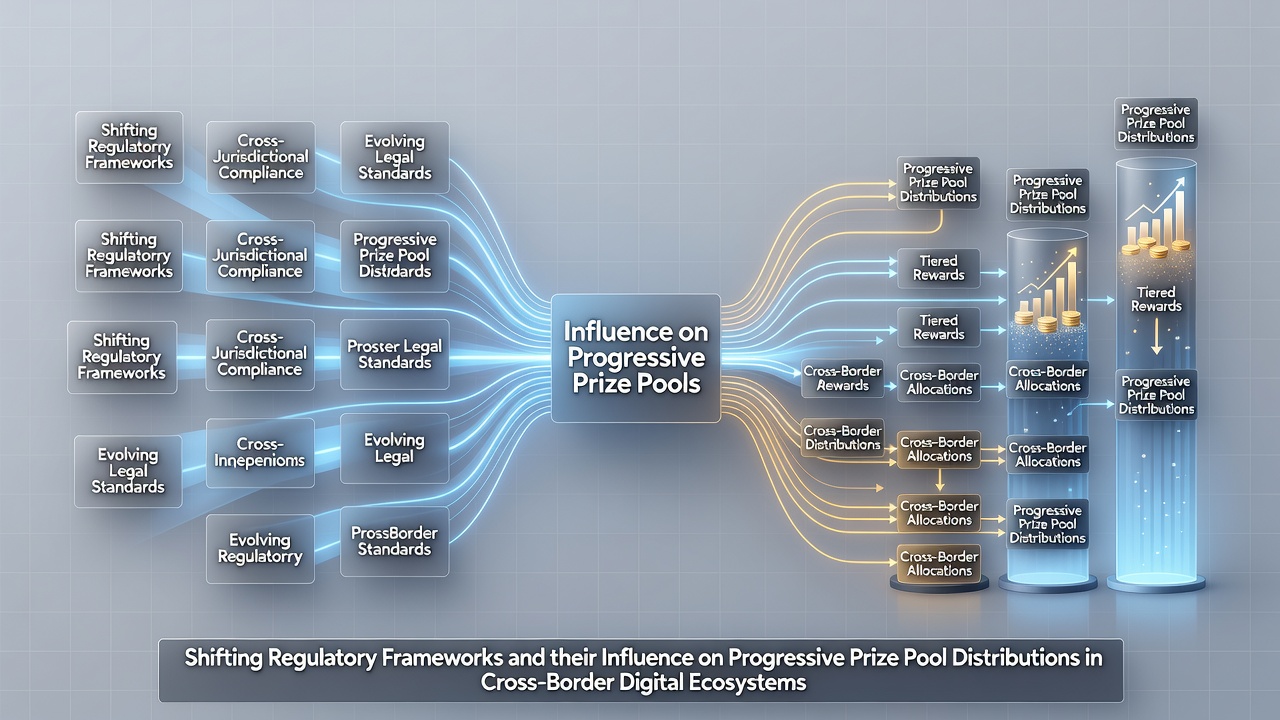
Distribution Mechanics Under Revised Frameworks
Progressive distributions occur when specific trigger conditions are met, but new rules now require verification steps that confirm player eligibility across borders. Operators must verify that winning accounts comply with each jurisdiction's age and location standards before releasing funds. This verification process extends the time between trigger events and actual payouts in many networks.
Some frameworks also impose caps on single payouts drawn from multi-jurisdictional pools. Regulators in several Canadian provinces implemented maximum distribution limits tied to local player contributions, forcing operators to prorate winnings when the jackpot exceeds those thresholds. Such measures prevent any single region from absorbing disproportionate liability from shared pools.
Technical Adaptations by Network Operators
Operators have responded by deploying modular software that segments pool contributions according to real-time regulatory inputs. These systems adjust allocation percentages automatically when a player enters from a jurisdiction with updated rules. Technical reports show that networks adopting these tools reduced compliance violations by 27 percent during the first half of 2026.
Integration with third-party auditing platforms has also increased. Independent firms now monitor pool balances continuously and flag discrepancies that could violate distribution protocols. This added layer of oversight provides regulators with direct access to transaction logs without requiring manual data requests from operators.
Conclusion
Shifting regulatory frameworks continue to modify both accumulation and distribution patterns within cross-platform progressive networks. Operators face ongoing requirements to segment contributions, verify eligibility, and maintain jurisdiction-specific reserves. Data collected through mid-2026 demonstrates measurable effects on meter growth rates and payout timelines across interconnected systems. These changes reflect broader efforts by authorities to align progressive wagering mechanics with evolving standards for transparency and player protection.