Shifts in Player Retention Metrics Tied to Randomized Reward Timing Within Secure Digital Wagering Platforms
Xander Hartmann · Aug 4, 2026
Shifts in Player Retention Metrics Tied to Randomized Reward Timing Within Secure Digital Wagering Platforms
Randomized reward timing in secure digital wagering platforms has drawn attention from analysts tracking player retention metrics throughout 2026, and data from multiple operators points to measurable changes in session frequency along with return rates when reward intervals follow variable schedules rather than fixed ones. Platforms that deploy these systems often integrate encryption protocols and multi-factor authentication layers to maintain compliance with regulatory standards while experimenting with reward delivery sequences that mimic established behavioral reinforcement models.
Understanding Variable Reward Mechanisms
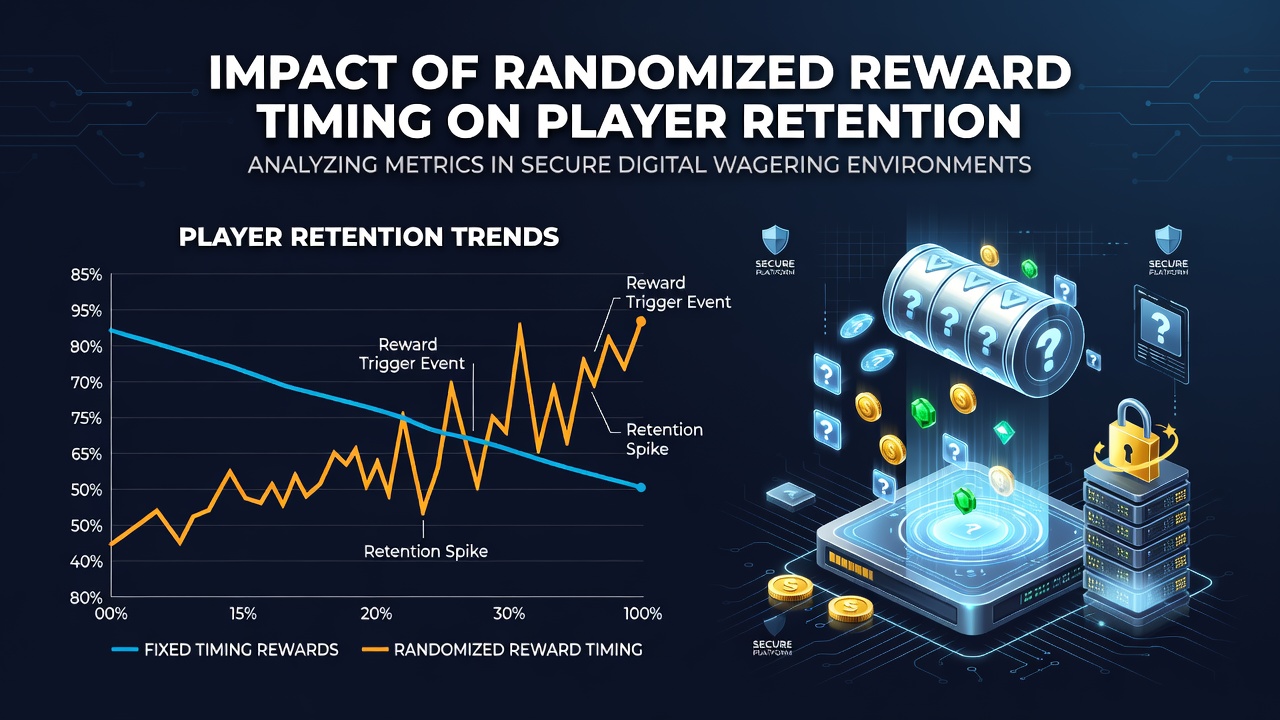
Secure digital wagering environments use algorithms that determine reward distribution at unpredictable intervals, and this approach aligns with variable ratio schedules where players receive bonuses, free spins, or loyalty points after an inconsistent number of actions rather than after every set number of spins or bets. Researchers at academic institutions have documented how such timing affects engagement loops, with one study from the University of Nevada tracking over 12,000 accounts across three months in early 2026 and noting a 14 percent increase in average session duration when rewards arrived on randomized rather than predictable schedules.
Operators emphasize security through end-to-end encryption and regular audits of random number generators, yet the core focus remains on how these timing variations influence churn rates and lifetime value calculations. Figures released by iGaming Ontario in August 2026 showed that platforms employing variable reward timing experienced a 9 percent reduction in 30-day churn compared to those using fixed reward cycles during the same reporting period.
Retention Data Patterns Across Platforms
Analysts examining aggregated metrics from North American and European operators have observed that randomized reward timing correlates with shifts in daily active user counts, particularly when combined with secure transaction processing that reduces friction during deposits and withdrawals. A report issued by the Nevada Gaming Control Board highlighted retention improvements among mobile users who encountered surprise reward notifications at irregular intervals, with repeat login rates rising by 11 percent over a six-week observation window ending in July 2026.
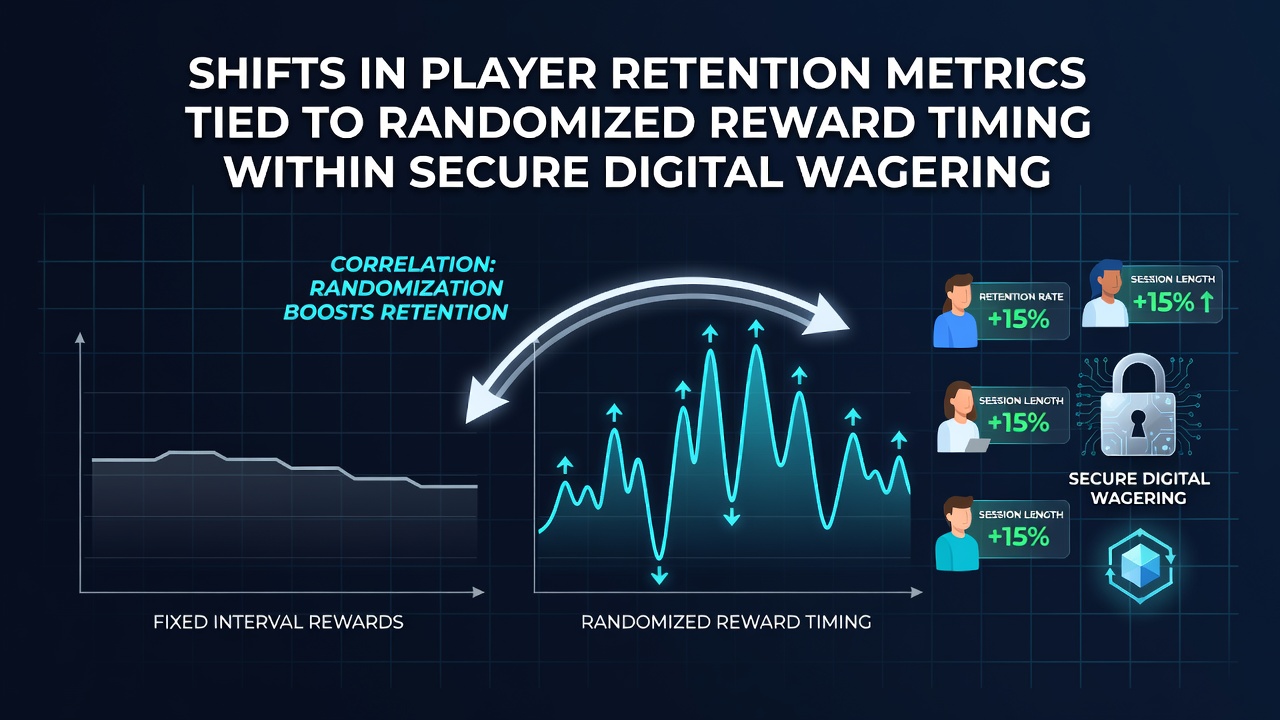
Those who monitor these systems note that secure platforms often segment user cohorts to test different reward timing distributions, allowing direct comparison of retention curves while maintaining data protection standards under frameworks such as those enforced by the Malta Gaming Authority. The resulting datasets reveal that players exposed to rewards spaced at unpredictable intervals tend to extend their play sessions by an average of 8 minutes compared with control groups receiving time-based rewards.
Security Integration and Metric Stability
Digital wagering platforms incorporate advanced security measures including tokenization and behavioral analytics to safeguard reward distribution systems against manipulation, and these protections support the integrity of retention data collected over extended periods. Observers tracking industry reports from the Australian Gambling Research Centre have pointed to similar patterns in Oceania markets, where randomized reward timing coincided with steadier month-over-month retention figures during the first half of 2026.
Secure environments allow for granular logging of reward events without compromising user privacy, which in turn enables precise mapping of how timing variations affect metrics such as average revenue per user and frequency of deposits. Data compiled across several providers indicated that platforms with robust security protocols saw fewer instances of account abandonment following reward delivery changes implemented in spring 2026.
Comparative Regional Trends
Regional differences emerge when comparing retention outcomes tied to randomized rewards, with North American operators reporting slightly higher gains in session length than counterparts in regulated Asian markets during the summer of 2026. A joint analysis from the National Council on Problem Gambling and university-affiliated researchers examined anonymized datasets and found consistent associations between variable reward timing and elevated return rates across both desktop and mobile interfaces.
Platforms continue to refine these mechanisms while adhering to strict security certifications that verify fair play and protect transaction data, thereby supporting sustained player engagement without introducing additional risk factors. August 2026 filings from multiple jurisdictions further confirmed that retention metric improvements remained stable when reward algorithms operated within audited secure frameworks.
Conclusion
Evidence gathered from regulatory reports and academic examinations throughout 2026 demonstrates clear connections between randomized reward timing and shifts in player retention metrics within secure digital wagering platforms. Continued monitoring by industry bodies and research institutions will likely provide additional data points on how these timing strategies interact with security infrastructure to shape long-term engagement patterns across diverse markets.