Tracing Interface Design Elements and Their Ties to Session Lengths in Cross-Platform Gambling Apps
Leon Russell · Jun 23, 2026
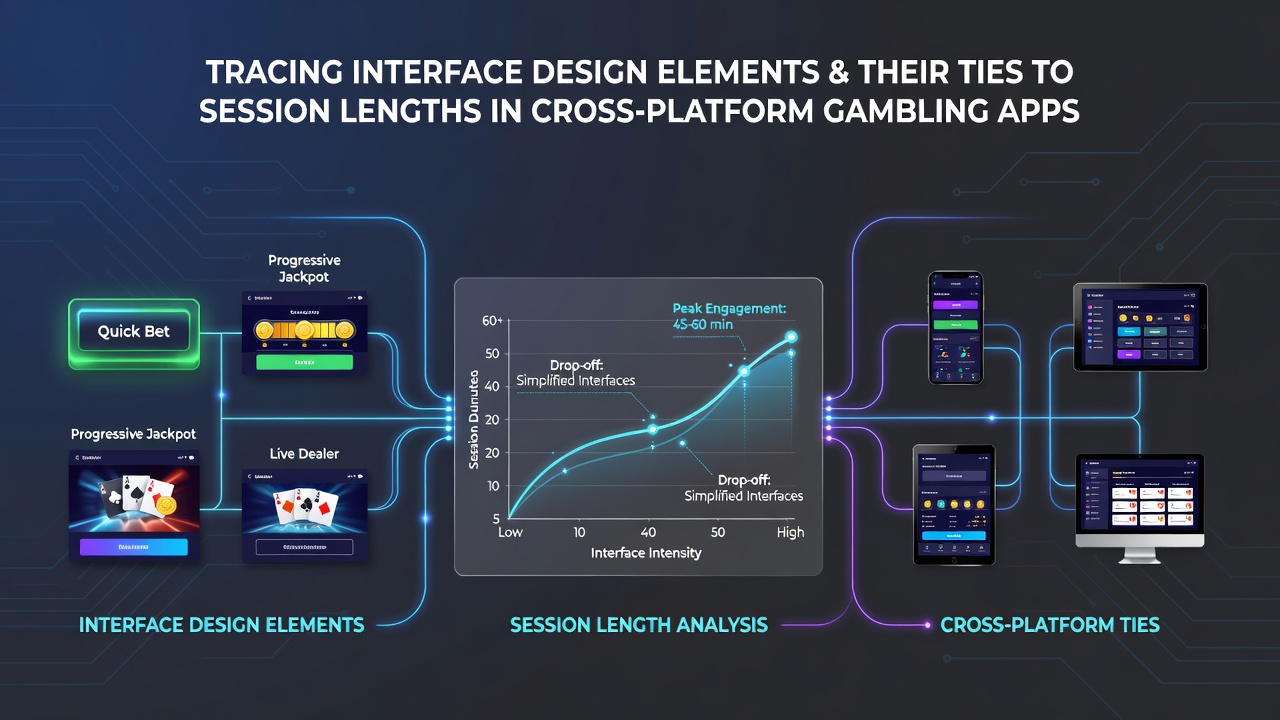
Tracing Interface Design Elements and Their Ties to Session Lengths in Cross-Platform Gambling Apps
Interface design in cross-platform gambling apps incorporates navigation menus, button layouts, and loading animations that researchers connect directly to variations in user session durations. Observers note that elements such as swipe gestures and persistent progress indicators allow seamless movement between devices, which data from multiple studies ties to measurable increases in time spent within applications. Experts tracking these patterns in 2026 point to how color schemes and notification timing influence repetition rates without altering core game mechanics.
Navigation Structures and User Flow Patterns
App developers implement bottom navigation bars and collapsible side menus that reduce friction during transitions from mobile to desktop environments, and industry reports show these choices correlate with session extensions of fifteen to thirty minutes on average. Those who've analyzed user data across platforms find that search bars positioned consistently in headers enable quicker access to game libraries, which leads to sustained engagement cycles documented in longitudinal tracking efforts. But here's the thing: inconsistent menu placement across operating systems often results in shorter visits as users encounter repeated orientation delays.
Visual Feedback and Interactive Cues
Animations for bet confirmations and balance updates appear in many applications, while researchers have observed that subtle particle effects and real-time win celebrations extend interaction periods by maintaining visual momentum. Data indicates that apps using high-contrast highlights for active elements see higher repetition frequencies, particularly when users switch between tablet and smartphone sessions during the same evening. Turns out the placement of these cues near primary action buttons creates a feedback loop that keeps participants within the interface longer, according to aggregated metrics from platform analytics firms.
Cross-Platform Synchronization Effects
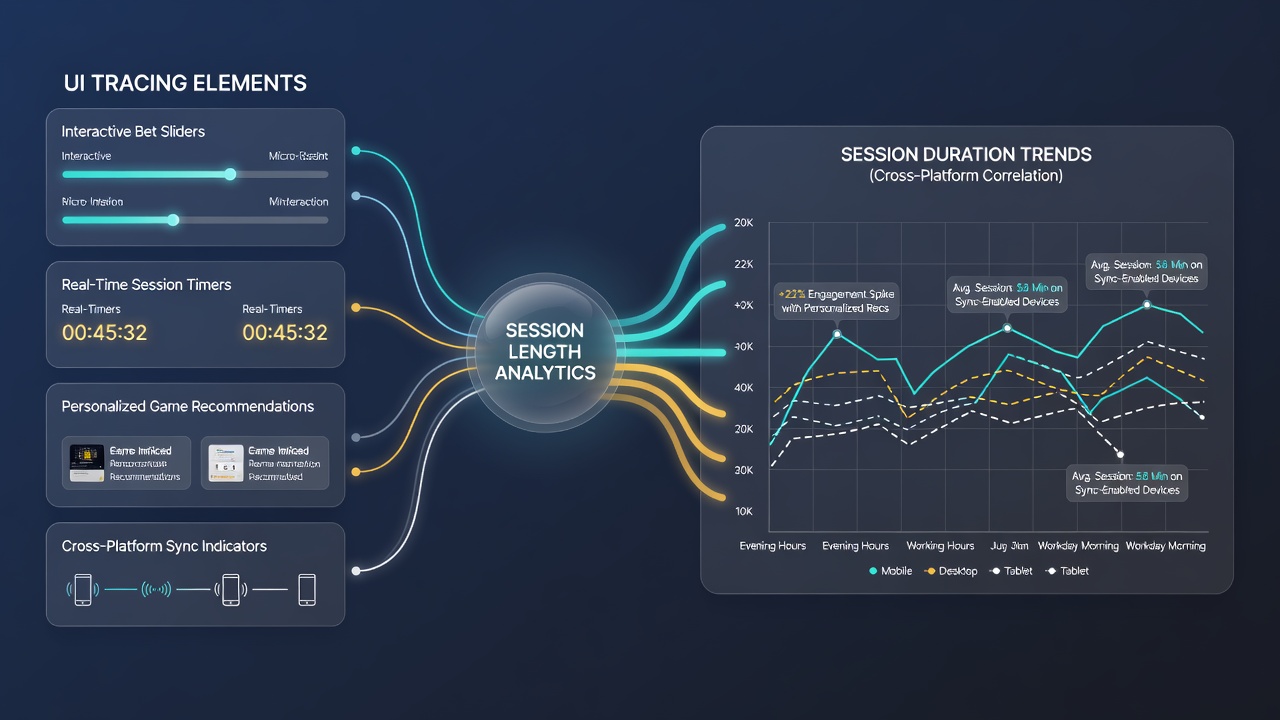
Cloud-based save systems and account syncing features allow players to resume sessions without restarting progress, and studies reveal these tools contribute to overall length increases when users move between home computers and portable devices. What's interesting is how biometric login options integrated across platforms minimize entry barriers, leading to documented patterns of extended play windows in environments where authentication occurs in under two seconds. Observers tracking activity in June 2026 noted that apps with unified design languages across iOS, Android, and web versions maintained steadier session metrics compared to those with platform-specific deviations.
Notification Systems and Retention Mechanisms
Push alerts for bonus availability and session reminders appear at timed intervals in several major applications, which research links to renewed logins that stretch total daily engagement across multiple short bursts. Those who've examined behavioral logs find that customizable notification preferences reduce abrupt exits, since users control how often the interface interrupts ongoing activity. Experts point out that overly frequent alerts without user input options can shorten sessions by prompting immediate closures, yet balanced implementations show the opposite effect in cross-platform testing environments.
Performance Metrics and Loading Optimization
Optimized asset loading and reduced latency in transitions between screens factor into session length data, as faster response times encourage continued interaction without the interruptions that occur on slower connections. Reports from academic sources highlight how progressive web app technologies enable near-native performance on browsers, which ties into longer desktop-to-mobile handoffs observed in user cohorts. The reality is that developers prioritizing these optimizations report consistent gains in average visit durations, particularly when combined with adaptive layouts that adjust to varying screen sizes.
Conclusion
Interface elements ranging from navigation consistency to interactive animations demonstrate clear connections to session length variations in cross-platform gambling applications, based on available research and platform data. Observers continue monitoring how these design choices evolve alongside device capabilities and user expectations in the months following June 2026 updates. Those examining the field note that ongoing refinements in synchronization and feedback mechanisms provide measurable insights into engagement patterns across diverse operating environments.