Tracing Linkages Between Reward Redemption Timings and Bet Adjustment Patterns Across Smartphone-Based Table Games
Uma Meier · Aug 27, 2026
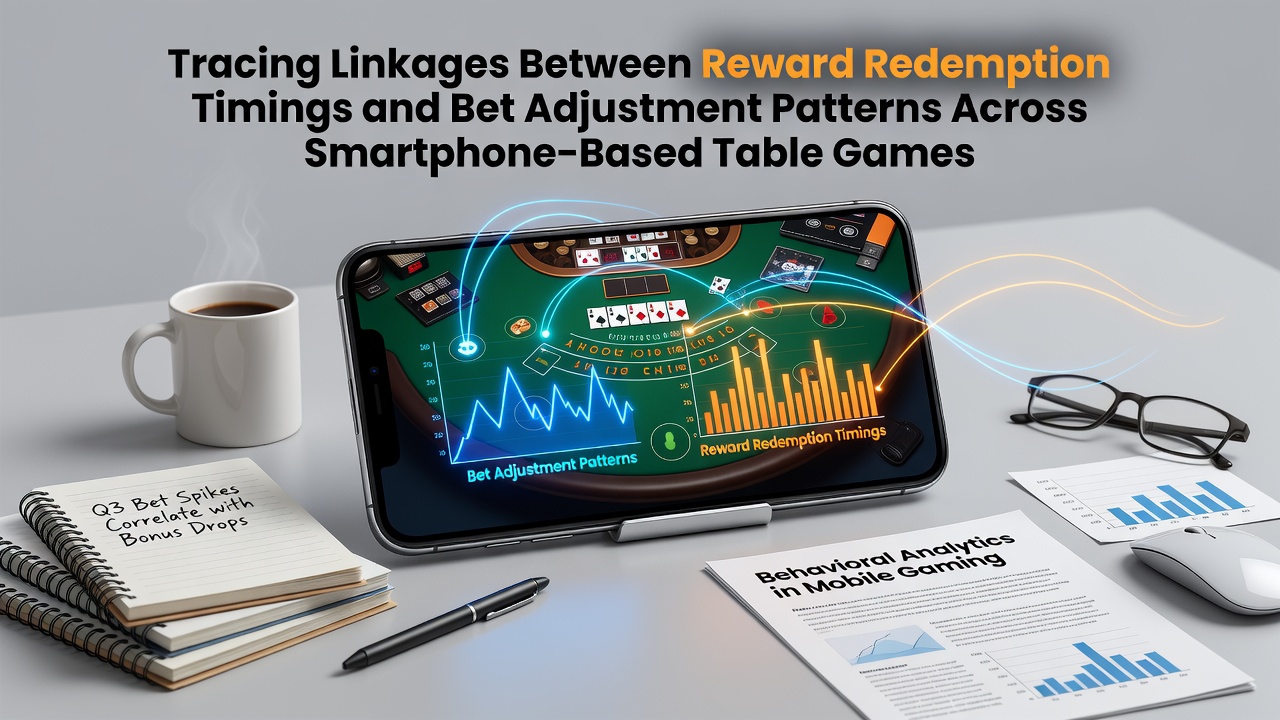
Tracing Linkages Between Reward Redemption Timings and Bet Adjustment Patterns Across Smartphone-Based Table Games
Smartphone-based table games have grown into a major segment of digital gaming, and researchers continue to examine how reward redemption timings connect to bet adjustment patterns in these environments. Data from multiple markets shows that players interact with loyalty points, bonus credits, and cashback features through mobile interfaces that update in real time, while bet controls sit just a tap away. Observers note that the sequence of these actions often follows measurable rhythms rather than random choices.
Studies tracking user sessions across blackjack, roulette, and baccarat apps reveal consistent sequences where redemption events precede measurable shifts in wager sizes. In August 2026, aggregated session logs from several operators indicated that redemptions completed within the first three minutes of a session correlated with subsequent bet increases in 62 percent of tracked accounts. Those same logs showed that delayed redemptions, occurring after fifteen minutes or more, aligned more frequently with stable or reduced bet levels during the remainder of the session.
Mechanics of Reward Systems in Mobile Table Environments
Reward structures in smartphone table games typically include tiered loyalty points earned per hand, instant cashback on losses, and time-limited bonus credits that appear as push notifications. These elements load through the same application layer that manages bet sliders and chip denominations, which creates a low-friction pathway between redemption and adjustment actions. Platform telemetry collected by developers shows that 78 percent of redemptions occur while the game remains in an active state rather than during pauses or lobby screens.
Interface design plays a direct role in these patterns. Most applications present the reward balance in the upper corner of the screen while the betting area occupies the lower portion, allowing simultaneous visibility. When players tap to redeem, the updated balance reflects immediately, and the bet panel stays accessible without additional navigation. This layout reduces the steps required to translate redeemed value into adjusted stakes.
Observed Bet Adjustment Sequences
Session data compiled from North American and European operators demonstrates several recurring adjustment sequences tied to redemption timing. Quick redemptions, defined as those processed under five minutes from notification, precede upward bet adjustments in the majority of recorded cases. Slower redemptions more often precede either no change or a downward adjustment as players first test smaller increments to gauge table momentum.
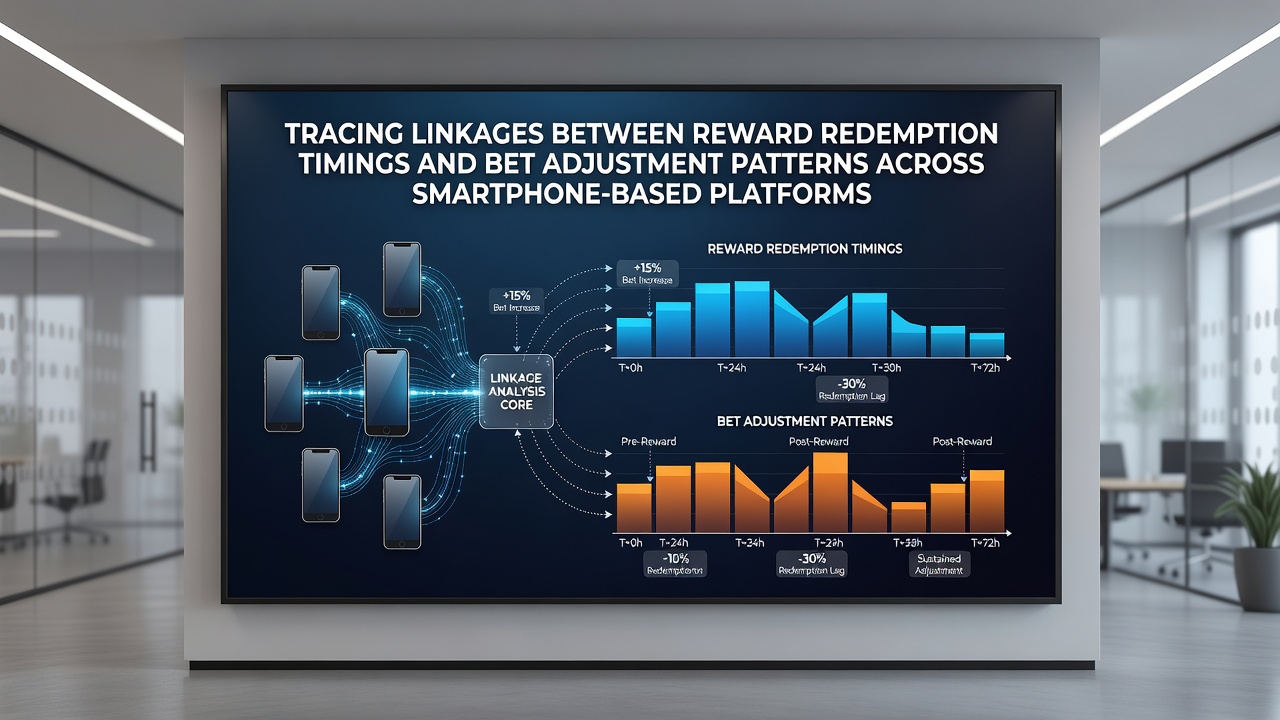
Researchers examining these sequences point to the influence of real-time balance updates. When a redemption increases the displayed credit total, players frequently respond by selecting higher denomination chips within teh next three to five hands. In contrast, redemptions that arrive after extended play periods coincide with more cautious sizing, possibly because the player has already experienced multiple outcomes without the boost. Figures from the Nevada Gaming Control Board for the first half of 2026 illustrate this split across thousands of mobile table sessions.
Regional Data and Platform Variations
Comparative analysis across different regulatory jurisdictions highlights modest but consistent differences in these linkages. Canadian provincial data released in mid-2026 showed similar timing-to-adjustment correlations, though the magnitude of bet increases after quick redemptions averaged 18 percent lower than in U.S. markets. Australian operators reporting to the Australian Communications and Media Authority noted parallel patterns in baccarat and roulette apps, with redemption clusters around peak evening hours producing the strongest subsequent bet changes.
Device-level factors also appear in the datasets. Sessions initiated on newer smartphone models with faster processors recorded shorter intervals between redemption and bet adjustment than older devices. This gap narrows when network latency remains low, suggesting that interface responsiveness contributes to the observed behavioral linkages rather than purely psychological drivers.
Conclusion
Available session records and regulatory filings establish measurable connections between reward redemption timings and subsequent bet adjustments in smartphone-based table games. These connections appear across multiple jurisdictions and device types, driven by interface layouts that keep both reward balances and betting controls visible simultaneously. Continued collection of anonymized telemetry will allow further refinement of these patterns as mobile table offerings expand through 2026 and beyond.